13 Scores Against
Tech Fascism

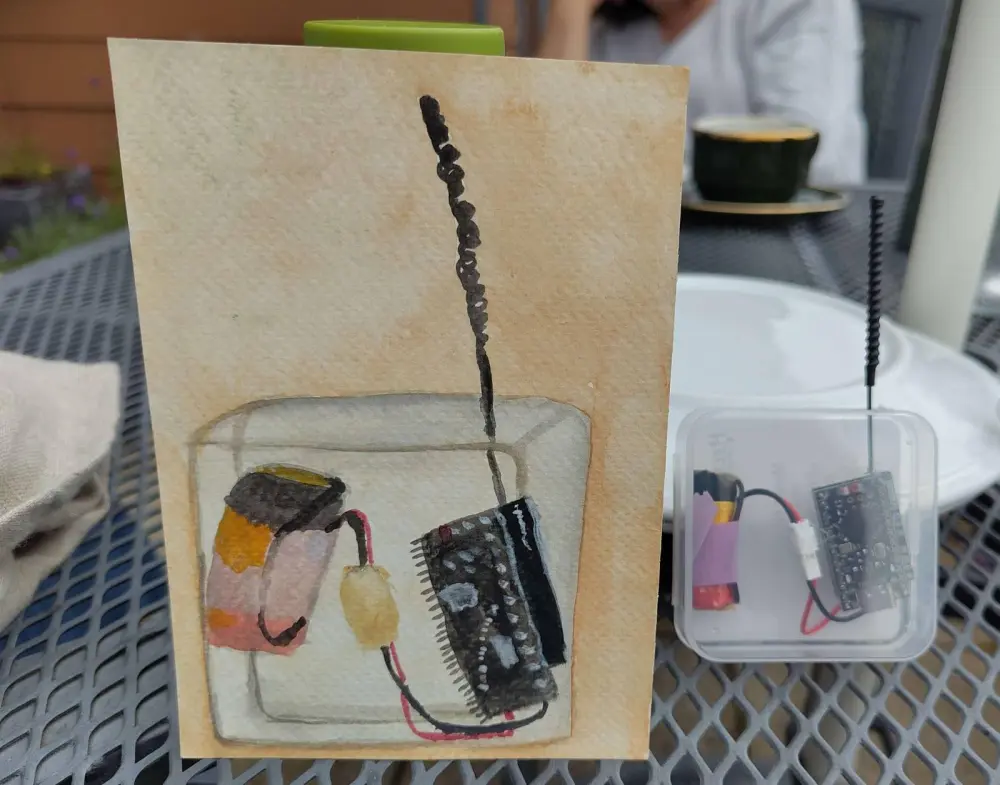
13 Scores Against Tech Fascism is an online group exhibition with works by jiawen uffline, 868labs, Alexey Boriskin, kunsf.xyz, The Rojava Center for Democratic Technologies, El Proyecto Sonidero, Enkaryon Ang, Signals Rising, NotToday, Annika Santhanam, David Huerta, permacomputing.net and gabe nascimento. The exhibition presents 13 projects selected by the jury Hito Steyerl, Nora O’ Murchú and Sam Lavigne, through the open call Error 406 [Tech Fascism] Not Acceptable, initiated by Error 417 Expectation Failed in 2025.

The projects explore very immediate, poetic, and humorous forms of resistance, refusal, and subversion that push back against tech fascism.

Tech Fascism is understood here as a power structure and as systems of control, exclusion and manipulation that have reached a distinct quality with the emergence of current technologies. From surveillance infrastructures and algorithmic decision-making to behavioural prediction systems and emerging AI, fascist logics are deeply embedded in the tools we interact with daily. By imposing exclusionary ideologies and elitist mindsets while standardising ways of thinking, expression, and participation, technology reinforces hierarchies, linking technological proficiency with social worth, often along racial or class lines. These systems decide who gets to participate and who gets left out, limiting agency and representation. 

Within the exhibition, the score becomes a site of agency. Manuals, how-tos, and instructions hold emancipatory potential. The open-ended and procedural character of instructions is emphasized, inviting visitors to interpret and improvise, to reclaim autonomy and space from commodification. 

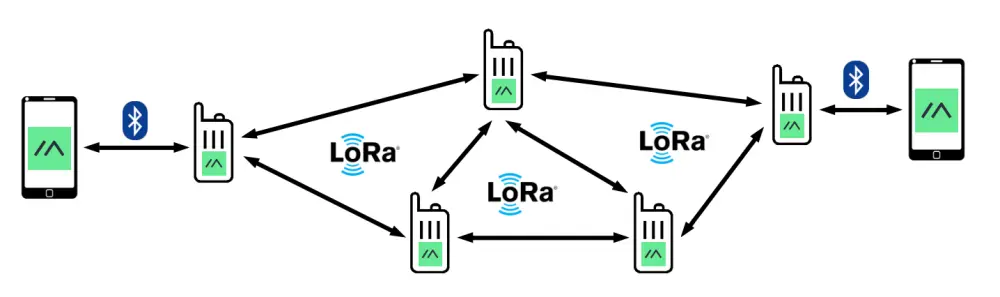
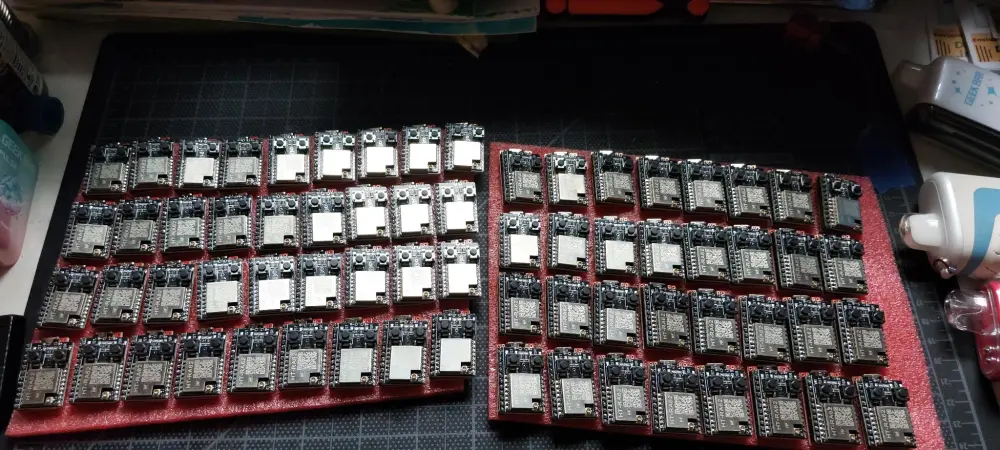
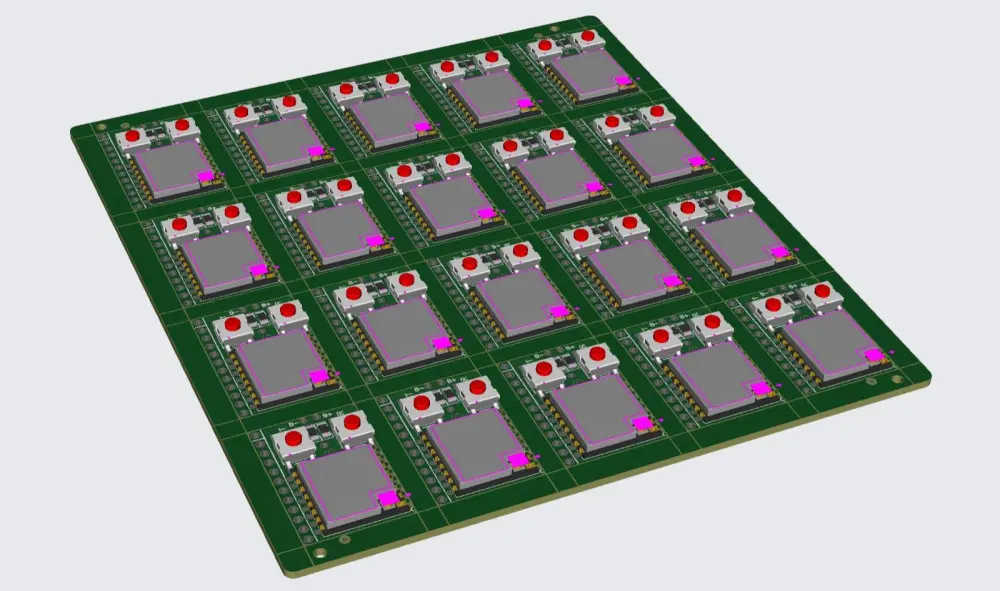
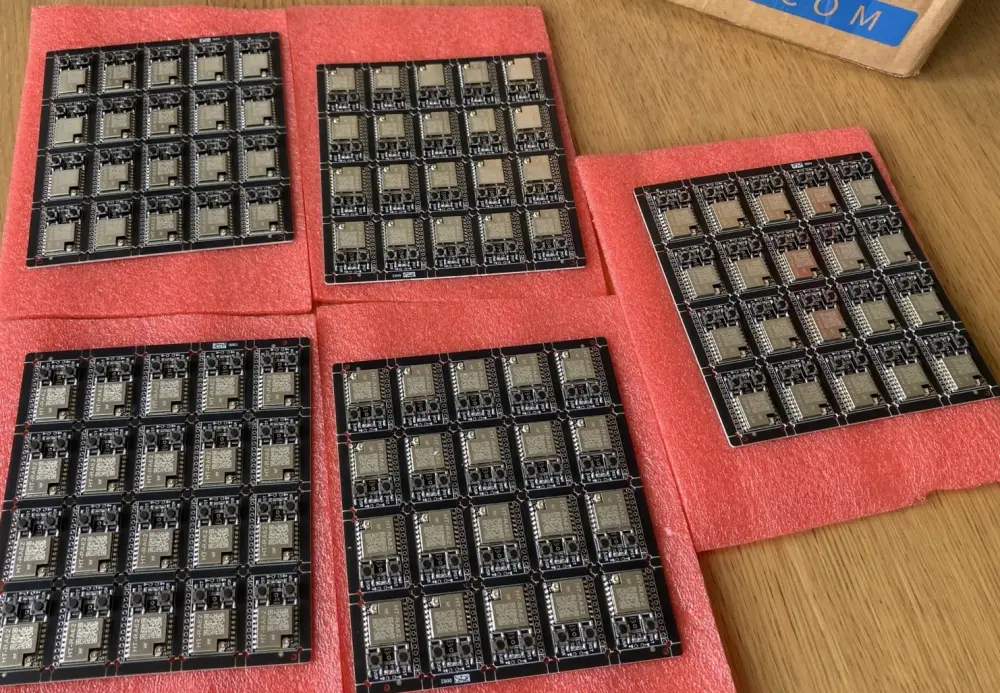
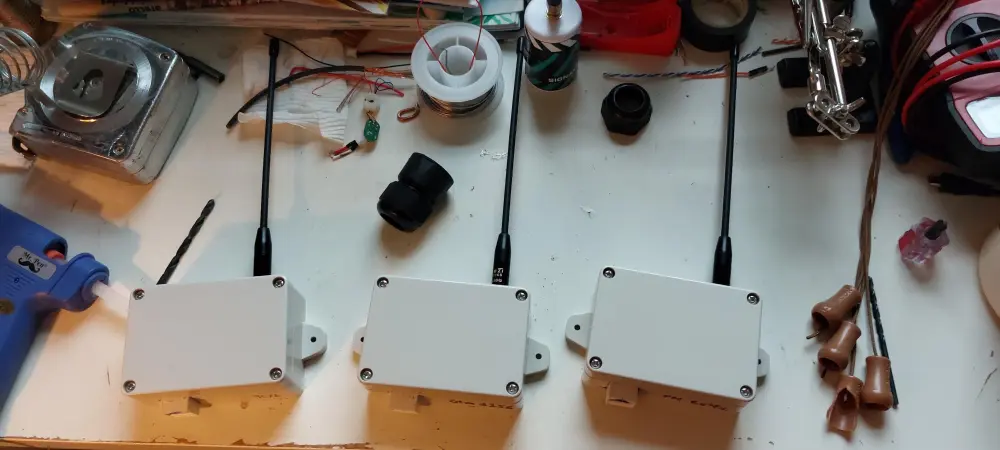
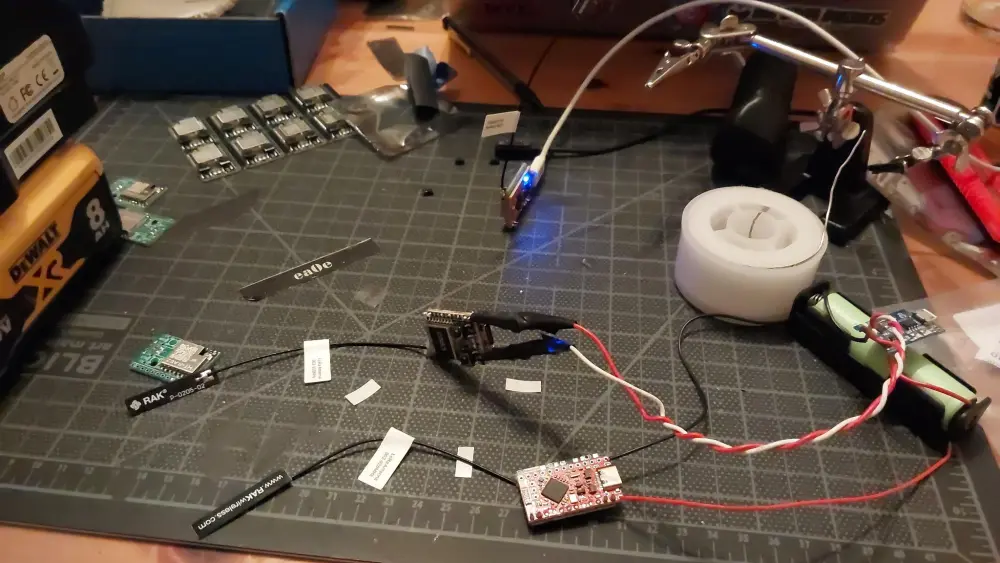
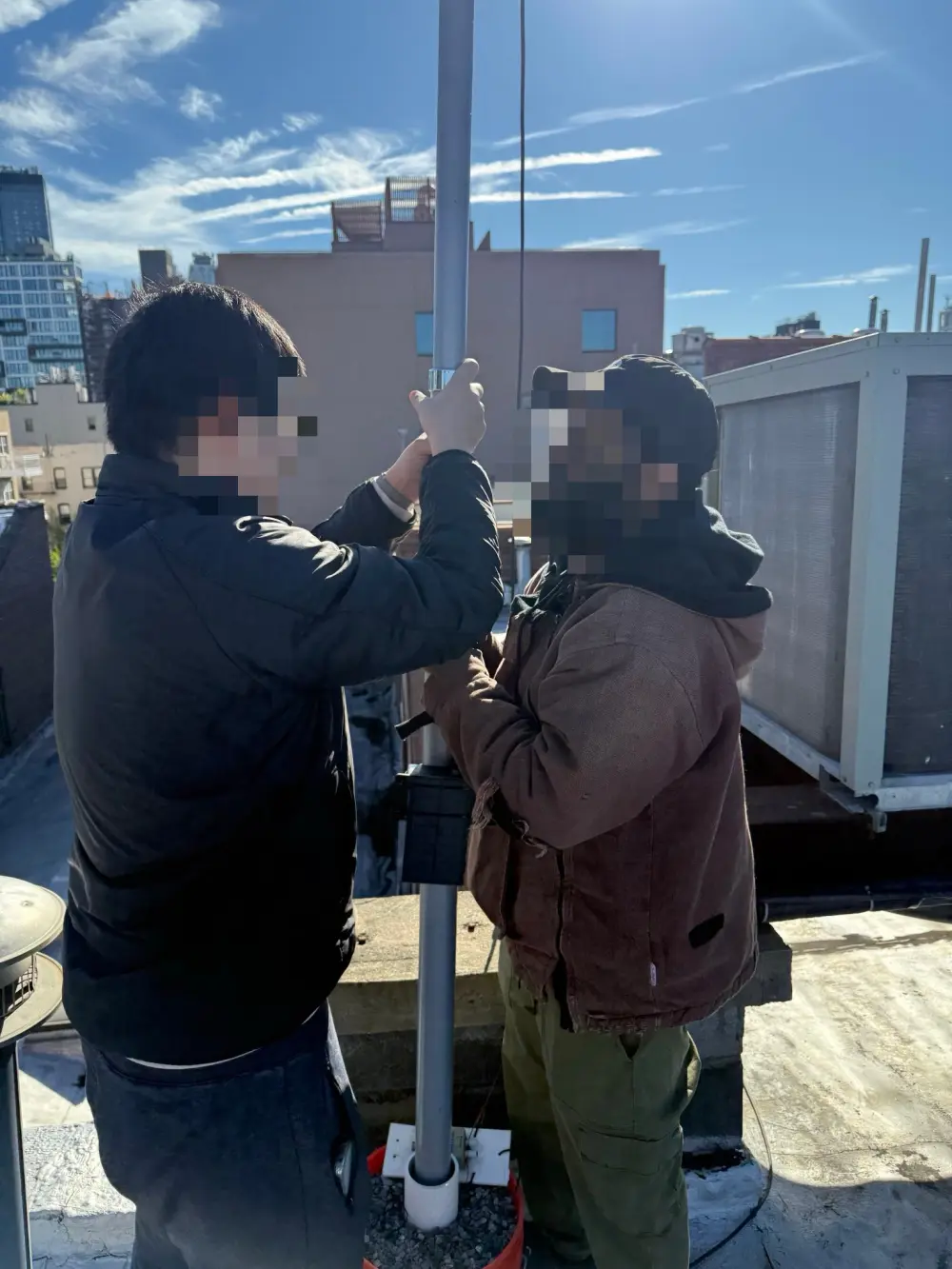
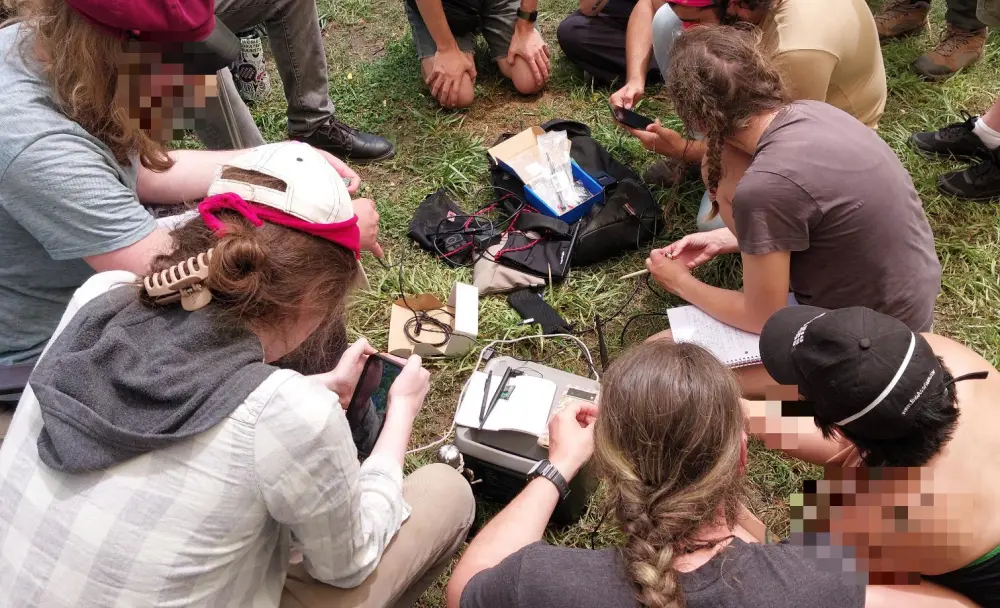
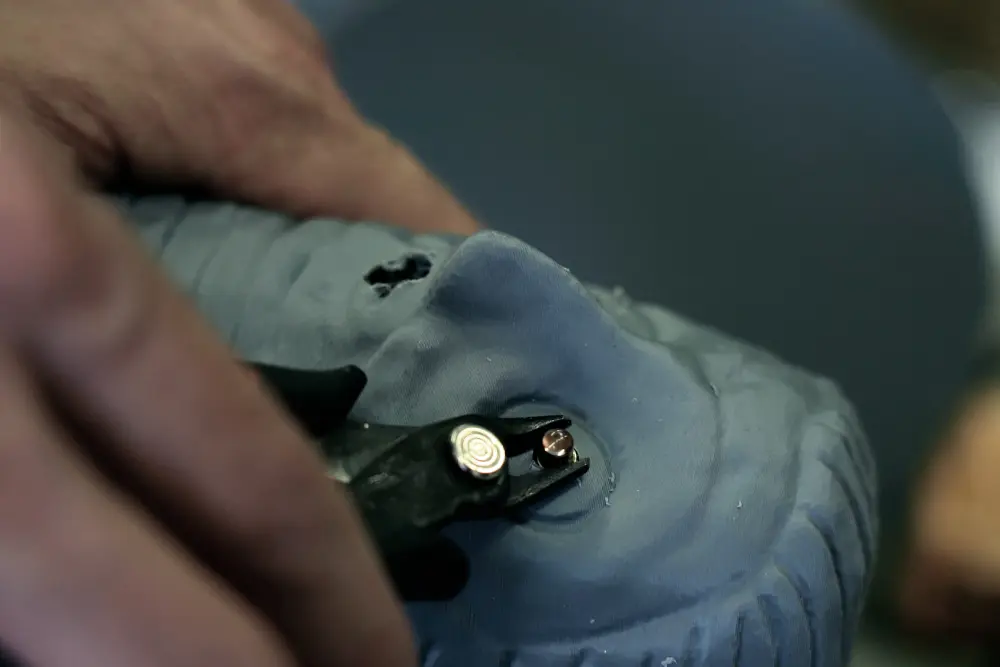
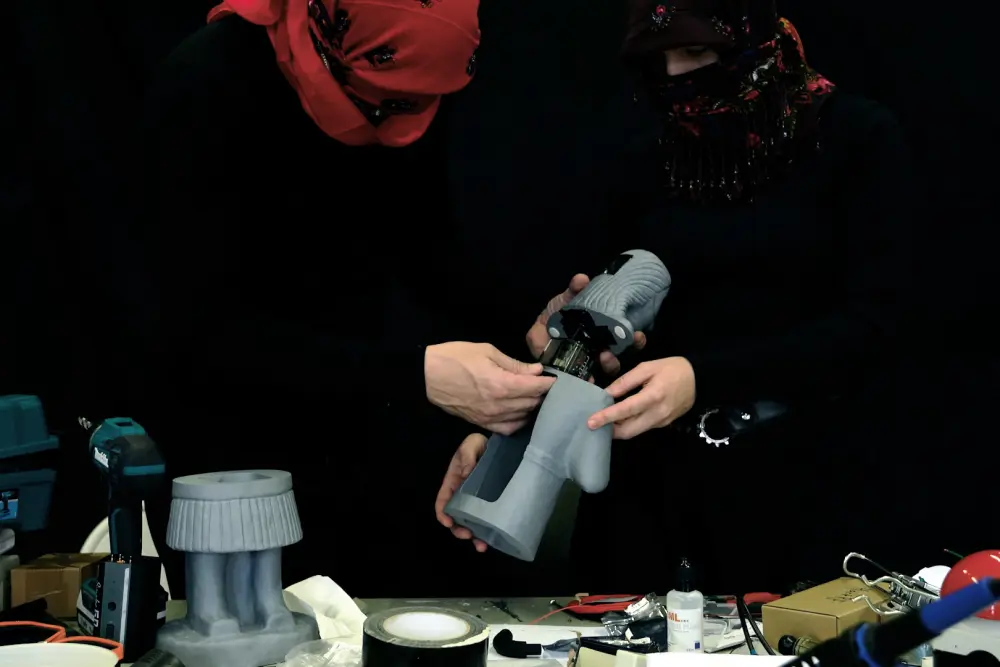
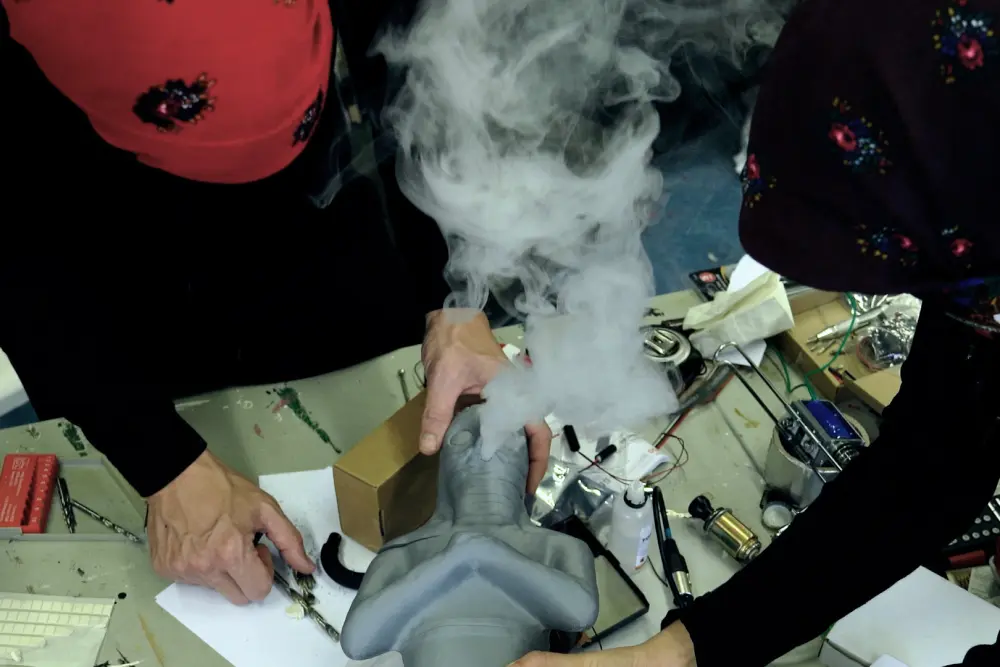
The 13 Scores Against Tech Fascism are situated in very specific contexts; they range from interview protocols exposing the absurd principles guiding tech company leadership, to speculative blueprints of a DIY rocket for disrupting the White House’s Wi-Fi; from a step-by-step guide for turning tennis balls into protest devices to instructions for spamming the ICE hotline or even for using Trojan-horse tactics such as placing left-theory texts inside Jordan Peterson book covers in public libraries. More community-focussed project scores include instructions for producing and distributing mesh devices (we even have two of those 1 2) and building alternative collective tech infrastructures; from open calls for joyful dance events to transforming recipes used to mask censorship into forms of community activation. Some projects show us easy tricks on how to make our texts too dirty to train large language models, while others build poetic tools for Taiwanese speakers to hide meaning from state sanctioned speech.

Understood this way, the scores operate as frameworks for action. They address intimate, everyday shifts or propose strategies meant to be shared, repeated, and adapted by others. Rather than demanding compliance, these instructions invite participation, interpretation, and refusal.

To contextualize the original call's topic, the foundation commissioned two essays by cultural and media theorists Ana Teixeira Pinto and tante.


Projects


kunsf.xyz

V-Ball

vball-logo.jpg

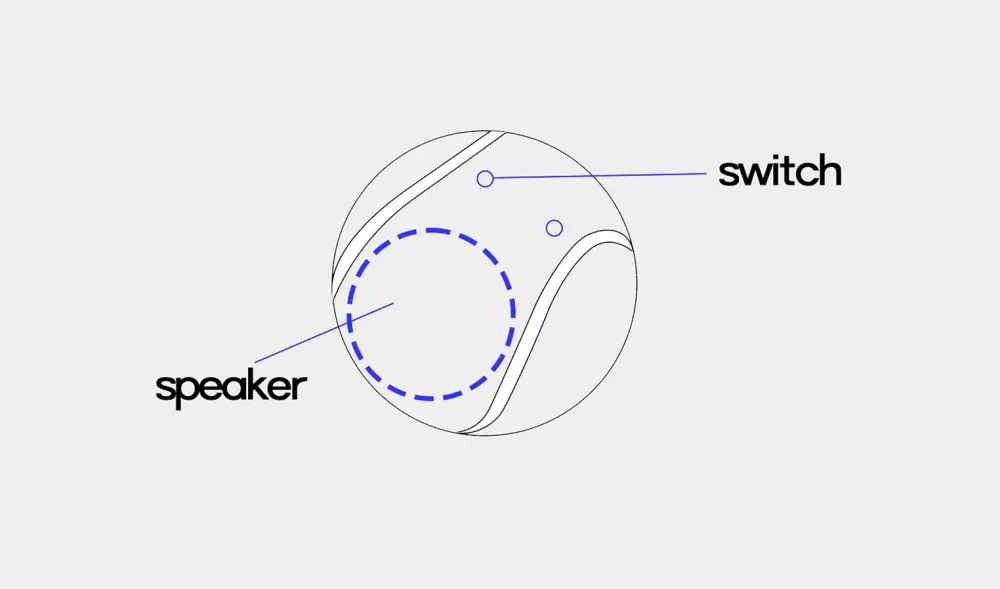
V-Ball (Voiceball) is a DIY throwable act of defiance housed in a tennis ball, designed to play audio in a continuous loop. It’s a low-tech, open-source, unconnected object amplifying muted voices against censorship, surveillance and oppression.

This project is shared as an open-source artwork and educational resource in the public domain. It is intended to explore the relationship between technology, sound, and resistance as a critical and artistic statement. Any use, modification, or redistribution of this design is at the sole responsibility of the user.


About the Artist

kunsf.xyz is an instrument designer, experimental musician and multimedia artist based in Istanbul. They build sonic worlds through DIY technologies, immersive environments and sculptural interfaces that explore the interactions between bodies, spaces and machines. By blending sound objects, performance, and poetic engagements with technology, their work delves into the intimacy of human-technology relationships and the embodiment of these connections.

https://kunsf.xyz 


Read More

How to make
a V-Ball

Parts List

  • DFPlayer Mini

  • 3.7V 250mAh Li-Po Battery

  • 8 Ω speaker (50 mm)

  • SD Card (< 32GB)

  • Tennis Ball

  • Cables

1. Flash SD Card / Upload your .mp3 file

DFPlayer does not support SD cards bigger than 32GB. Flash your SD card to FAT32. Make a folder named “mp3” (all lowercase). Upload your mp3 file and name it 0001 (4 digits).

2. Prepare the Ball

Place your speaker on the tennis ball and draw an outline. Cut your ball accordingly. Drill two holes on top for the activator switch.

step3-clean.png

3. Make the Circuit

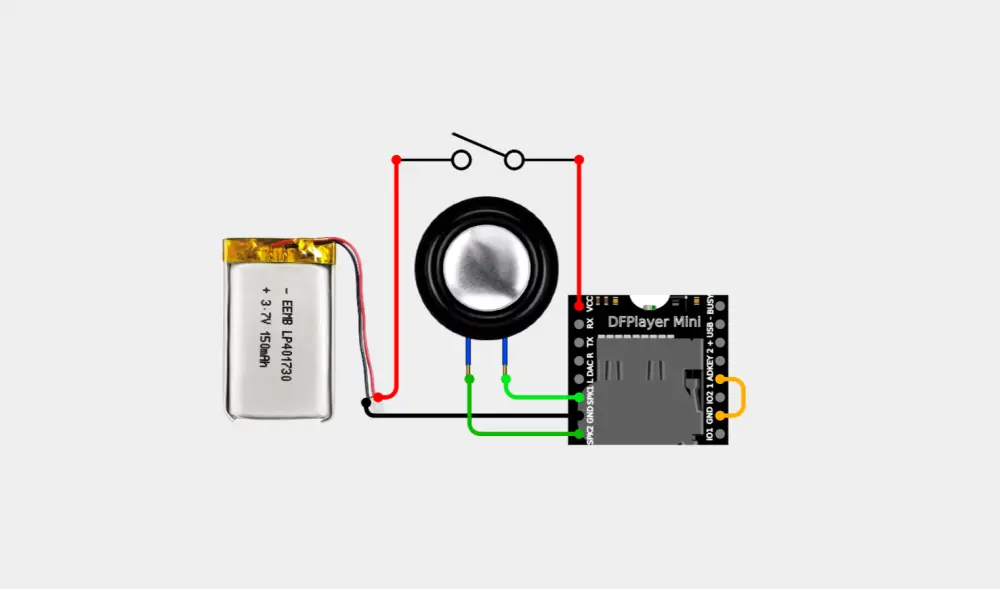
Wire everything as the schematic shows.

vball-circuit.png

4. Assemble V-Ball

Plug in your SD card. Test your circuit. Stuff everything inside the ball. Stick the wires for the switch from the holes you drilled. To make it more durable you can hot glue the speaker while closing.

*optional*
 Paint V-Ball black to make it harder to detect.

5. Throw It!

Twist the sticking wires to activate V-Ball. Wait for the activation. Your sound will loop endlessly until the battery dies. Throw it to your desired oppressor.

Alexey Boriskin

Starry Heavens Above You

starry_heavens_above_you.gif

Starry Heavens Above You documents a series of actual job interviews conducted by the artist at technology companies operating in ethically contested domains: cryptocurrency trading, high-frequency trading, and cybersecurity firms with ties to Russian state corporations. During these otherwise standard recruitment conversations about qualifications and compensation, the artist introduced questions about Kant's categorical imperative, specifically whether one should act only according to principles that could become universal laws, and how such moral frameworks might apply to the work these companies perform.

The interviews have been fully anonymized with company names and individual identifiers removed, and all dialogues have been re-enacted by actors. Originally, the interviews were conducted in Russian and English, English subtitles have been embedded in all videos. The videos can be viewed in any order.


Normal, reasonable people

December 2023.
Job interview with recruiter of Russia-based cybersecurity company.


Full transcript

Recruiter: Hello, Alexey?

Alexey: Yes, good evening, hello.

Recruiter: Hello. Can you hear me well? I hope you can see me well too?

Alexey: Yes, perfectly.

Recruiter: Excellent, you too. Thank you so much for coming.

Recruiter: Let me introduce myself. My name is ███

Recruiter: I'm a recruiter for ██████. Actually, I think I was still calling them a startup last year. I guess it's not a startup anymore. It's a company of around 30 people. Based in Moscow, working remotely. You can work from anywhere. They're involved in information security.
The company is very strong, I mean, the founders are from top universities, the CTO is a former ███, there are former employees from ██████████, graduates of top universities. The team is currently somewhere around 30 people.

Recruiter: Located in Moscow, but open to remote work from anywhere, but since the company is involved in information security, they have quite large clients, so in order to pass the audit, a Russian passport is required, a passport of the Russian Federation. This is probably the single most strict requirement regarding the interview process. Oh, yes, right, I forgot to mention. So, today our meeting is more of an introductory one, meaning the main purpose of getting acquainted will consist of two parts, so to speak, it's planned for 40 minutes, the first half is just to get to know each other, the second is to make a short technical screening, more on that later, there are specific questions, in general. I'll tell you and show you everything in detail a little later. The next stage is an interview with their lead developer, then with the CTO.

Alexey: Why do I need a Russian passport? Well, I mean, I have one, of course, but I'm curious.

Recruiter: Look, their clients are major Russian corporations. Banks, oil companies, and the like, they're very particular about security, order, and checking who is actually providing them with solutions, especially for information security. So, they're not comfortable having non-Russian citizens on contractor teams. I don't know what dictates it, they don't really motivate their decisions, basically security, that kind of people.

Alexey: Yeah, yeah, I understand.

Recruiter: Do you have any other citizenship?

Alexey: No, no I don't. I'm just thinking, maybe... if in the future I get another citizenship, will I be fired immediately because of it?

Recruiter: I understand, it doesn't sound great, but that's how it is. The field of information security is a rather specific thing.

Alexey: Okay. I also read on the website that they collaborate with the Russian government. Is that true? Is that so?

Recruiter: Well, to the extent that any contractor collaborates with a large quasi-governmental company, so to speak. Their clients are ████, other top Russian banks. So, for example, what's the level of connection with the government?

Alexey: Well, there's a whole section about it, what's it called... I opened it up and ran into the 'Government Sector' section before the interview... Right, 'Government Sector,' a section on the website. Industries, Government Sector, there it is. So, they work with the government directly, as I understand it. Or they work with them, I didn't quite get it.

Recruiter: Listen, well, again, what do you consider a state? I mean, if some large state-owned corporation, they are their contractor.

Recruiter: To that extent, yes.

Alexey: No, I mean more like a ministry, a department, I don't know, the tax service or something like that.

Recruiter: No, no, no, no, with those kinds of, specifically with government entities, no. At least, I'm not aware of it.

[...]

Alexey: I burned out, I was tired, I've been doing this for 15 years, I don't know what your experience is in HR, but 15 years is quite a lot.

Recruiter: That's a lot, I have less.

Alexey: That's a lot, yes. And I decided to give myself a little sabbatical, to read all those books that I just couldn't read because I never had the time. So yeah, I'm here reading all sorts of philosophy, Immanuel Kant, Nick Land, and others. But at some point, the money will run out, and that means I need to look for something new.

Recruiter: And how urgently are you looking?

[...]

Recruiter: Okay, I got it. One more question regarding documents. Where do you live? Do you have Russian passport? How do we officially employ you, and so on?

Alexey: Documents? Well, a Russian passport, but I live outside of Russia.

Recruiter: And where exactly?

Alexey: In Armenia.

Recruiter: In Armenia, you have an individual entrepreneur and a tax residency there.

Alexey: Yes, yes, yes.

Recruiter: Okay, accepted.

Recruiter: Okay, yeah. You mentioned your hobby, reading philosophy, what else do you do?

Alexey: Isn’t that enough?

Recruiter: Well, you never know, maybe you run marathons, or scuba dive?

Alexey: No, I hike in the mountains, around here. It's a mountainous country, beautiful.

Recruiter: Okay.

Recruiter: So, you've settled in Armenia? Living there long-term?

Alexey: I don't know yet. I mean, what's 'long-term' anyway? If you get an Armenian passport, they hand you a gun right away - not really what I want.

Recruiter: Okay, yeah, the prospects aren't great, but, frankly, there's that prospect with a Russian passport too.

Alexey: Yeah, yeah, well, that's basically why I'm not in Russia, yeah.

[...]

Recruiter: Yes, the lead developer will explain it in detail there. I, unfortunately, am also listening to his stories with great interest, but to be honest, I don't really understand it well.

Alexey: I understand, yes. I'd like to ask another question. I was reading Kant and I was struck by his idea of the categorical imperative.

Recruiter: That quantity becomes quality?

Alexey: No, that's something else.Kant had the idea that you should act in such a way that the maxim of your action could have the force of a universal law. My question is this. How does the company resolve ethical issues? It interacts with all sorts of things, with quasi-governmental structures, but at the same time, this state is waging a genocidal war. How do they resolve the question of good and evil? Do they have some kind of policy, mission, goal, a way to say which side they're on?

Recruiter: Okay, look, let's start from the end. Firstly, all the employees, or at least most of them are graduates of top universities, they are educated people, they are normal, reasonable people.

Recruiter: Of course, no one here supports the war. Now, regarding the moral dilemma, it really does arise. And it's not so much because of what you listed, but because the company actually benefits to a certain extent from the fact that foreign contractors have left Russia. That is, the software they make, the security solutions, are essentially in greater demand. Including, in part, because competitors have left, and that really is a problem. Indeed, it can't help but be concerning, but at the same time, the infosec world is such an entity that, when you can't choose the market. That is, you work in Russia, accordingly you can't go and supply, I don't know, an cybersecurity solution for the CIA with a Russian passport, you, well, you can't, you just can't do that.

Recruiter: So, you live in Russia, you're an engineer, and you approach this as purely an engineering problem. Of course, problems arise. Of course, all of this is difficult, but these people are engineers. They love solving problems, love solving engineering problems, for them it's important to make a very good solution, a very good product, and thus satisfy their own desire to construct something, to leave something behind. The fact that it turned out that, essentially, we find ourselves in this country and the product is on the Russian market, well, that's what we have to work with, what we have to live with.

Recruiter: Of course, this isn't all perceived as 'hooray, everyone's left, we're making money here,' because, well, of course, it's not because things are great, but nevertheless, we are in the situation that we are in, I don't know if Kant has any clever thoughts on this, but the company operates in roughly that vein.

Recruiter: Again, there are plans, like, to expand abroad, and of course, I don't know how public this information is, but of course, they are planning to expand abroad. Of course, ideally, they will expand abroad, but for now it's not a company that can just hop on a plane and fly away in one day, like, leaving Russia.

Alexey: Understood, understood. Isn't there a risk of facing sanctions and being unable to travel anywhere with such close cooperation with quasi-governmental structures?

Recruiter: Well, there's probably always a risk, but again, they don't work directly for any departments or ministries, at least as far as I know. There are sanctions on contractors of some large banks where state participation is obvious. In any case, organizations are sanctioned in some order, one way or another. And the position the company ████████ is in, it's clearly not in the first, second, or even fifth row, probably somewhere very deep down.

Alexey: Okay, well, good. I think I'm out of questions. I don't know, maybe I'll think of something else.

Recruiter: Okay, yes, if something comes up, ask, of course, write to me. I'll try to get back to you on the next stage today. If I don't manage today, then tomorrow.

Alexey: Okay, good.

Recruiter: So your time zone is Armenian, that's Moscow plus one?

Alexey: Yes, yes.

Recruiter: Okay, great, thank you so much. It was nice to meet you and chat. I'll try to get back to you as quickly as I can. All the best.

Alexey: Goodbye.

Recruiter: Yes, and to you too, thank you very much, bye.

Read More


A perfect work-life balance

December 2023.
Technical job interview with a lead developer of a Russia-based cybersecurity company.


Full transcript

Developer: Alexey, hello.

Alexey: Hello.

Developer: Today we'll have a technical interview, purely technical, about Python, Docker, Linux, and networking. The next interview will be on other topics, about the product.

Developer: And we can also discuss something now if you have any questions.

Alexey: Yes, okay.

Developer: Okay. So, as I understand it, you've been writing in Python for a while now and you know it pretty well.

[...]

Developer: Got it. Got it. Okay. Good. I'm out of questions.

Developer: Do you have any questions for me?

Alexey: Well, I don't know, I've already... Tell me, what motivates you to work specifically at this company? That's what I'm interested in.

Alexey: I just started going to interviews and started wondering, what motivates people in general?

Developer: What motivates me to work here is that I like these tasks and that I have a good relationship with my boss. And, you know, I joined this small team of people a year ago, and it's like I joined a startup that's constantly in one long, permanent, extended hackathon.

Alexey: Well, not a very good recommendation, to be honest.

Developer: Listen further. My boss tells me: ‘please don't work too late in the evening, don't work on weekends, please. Don't look at the monitor on weekends’. Something like that.

Alexey: Is it working out?

Developer: ‘Yes, yes, please’ - he says. ‘Please, don't think about work on the weekends.’ And that makes me feel good. On average, I work 8 hours a day. Sometimes a little more, sometimes a little less. I have a great work-life balance. And, you know, how to say it, I'm trusted. Trust, basically. And I always try to live up to that trust, not to fall flat on my face, and to do everything well, beautifully.

Alexey: Well, good. I think I've run out of questions. If they call me back, I'll ask them to the hiring manager, I guess. And if they don't, oh well. Thanks for the questions, it was interesting.

Developer: Okay, thank you for yours. Can I ask a personal question then?

Alexey: Yeah, go ahead.

Developer: Why Kant specifically?

Alexey: Listen, I read various philosophies, not just Kant, Bruno Latour, for example. It's just that I've accumulated books, and I'm reading them.

Developer: Alright, I got you. Books need to be read, especially when they pile up.

Alexey: Well, at some point, yeah, I realized I needed to stop buying books and actually start reading them. I figured it was a good time.

Developer: Okay, I'm out of questions, you're out of questions, let's go then.

Read More


I need to talk to the lawyers

December 2023.
Job interview with a CTO of a Russia-based cybersecurity company.


Full transcript

CTO: Good afternoon again. My name is ███. I'm from the development team of ███ █████. This is our final interview stage. I suggest we structure it in the following way.

CTO: In the first part, you'll tell me about yourself, where you worked, what you did, your tech stack, teams, and so on. I'll ask questions as we go.

CTO: And in the second part, I'll tell you about us, the company, the team, the project, and answer your questions.

Alexey: Okay.

CTO: Let's begin.

Alexey: Let's. Okay, God, where to start?

CTO: You can start from the beginning and bring it up to today. From afar.

Alexey: What year did I start programming in Python?

[..]

Alexey: Anyway, yeah, that's what I was doing until the end of my work there.

CTO: And what happened in 2022? Was the war already going on, I think?

Alexey: Well, I mostly burnt out. I realized that I'd been doing all this for 15 years and I needed a break. And I quit.

CTO: What were you doing, if you don't mind me asking?

Alexey: I did hiking in the mountains, reading philosophical books.

CTO: Cool. And where were you hiking, if you don't mind me asking? In Russia or...?

Alexey: No, of course not.

CTO: Right, usually it’s a trip to Kilimanjaro in Africa, no?

Alexey: No, Kilimanjaro is a very good place, but the money runs out very quickly there. I mean the mountains around Tbilisi and around Dilijan.

CTO: Ah, you're currently in Georgia or in Armenia, right?

Alexey: Yes, in Armenia.

CTO: Okay.

[...]

CTO: Something like that. We have an office, and a large remote team. We have people in Ufa, Voronezh, St. Petersburg, Minsk, and Yerevan. We also have an office in Moscow, in Moscow City. Some of the team go there twice a week.

[..]

Alexey: Okay, according to the list, so some questions have been answered, yes, I've compiled a list of questions that need to be asked...

Alexey: As I understand that you are, essentially, the head of development, that is, CTO

CTO: Yes, yes, that's right.

Alexey: Well, you have the final say.

CTO: Well, probably, yes, you could say that.

Alexey: Here's a question. If you're the CTO, do you have a share in the company?

CTO: Yes, I do have a share in the company.

Alexey: And is there a stock option program?

CTO: Not yet. Stock options are complicated in general. We haven't even discussed it yet.

Alexey: So, who owns the company besides you, let's say?

CTO: A few others. A few other people.

Alexey: But not the developers?

CTO: No, no, not the developers.

Alexey: Got it, got it, okay. Okay, alright, so here's another question. What skills do you think I would develop? Like, if I get hired by you, what competencies will I pick up, and what will I forget?

CTO: What you'll forget, I probably can't say, because I don't know what you have.

Alexey: Okay, just what I'll develop, then.

CTO: What skills you will acquire. We have quite complex technical and technological solutions. So, there's no backend as such, you won't have to write SQL queries, create APIs and so on. So, essentially, if your resume only lists Django, FastAPI, Flask, we don't even invite you for an interview.

CTO: So, we try to do quite complex screening to only track down senior developers for interviews.

Alexey: Yeah, I understand. So here's a question: tell me, what percentage of women are among your developers?

CTO: A frontend developer, a QA...

CTO: I think that's it.

Alexey: Got it.

CTO: We would honestly be happy if a woman is at the screening or technical interview, we would be glad to hire or even turn a blind eye to something, but patriarchal society kind of dictates its own rules.

Alexey: Okay. Is there at least one openly gay person in the company?

CTO: Well, there are none openly.

Alexey: Okay: It seems statistically there should be some.

CTO: Well yeah, there might be one, but it's just not open.

Alexey: I, actually... It's a question of how, so to speak, free the communication culture is, whether you know this or not.

CTO: I don't know.

[...]

Alexey: So, as far as I understand, if everything is deployed on the client's servers, then you don't have night on-call duties.

CTO: Yes, there's nothing like that.

Alexey: Got it, got it, alright.

Alexey: I also prepared this question, but honestly, I'm already a little unsure how to ask it. Okay, I'll ask it anyway. For me, the main motivation at work, often, or in the kind of work I'd like to do, is the motivation to make the world a better place. The world existed before, I did something, and it became better. In your opinion, can I somehow tap into that motivation with you? What motivates you most in your work in general?

CTO: Well, on the one hand, developers, QA, and so on, usually like to develop things they use themselves. I want to do things I use, I want to do *** etc. It's more complicated for us in that regard. Well, yeah, we're building an enterprise platform. Which, well, we basically don't use at all. As such, use it. We don't even see the production environment. Most of the developers live in our test environment, and that's it. It's more complicated in that regard. But we constantly get feedback from clients. I mean, we have a really large-scale implementation. We're implementing it in, like I said, probably more than half of the banks. The TOP 10 will be this year. ███ Next year. ██ ██████. These are marketplaces, these are media platforms, these are banks, industry, law enforcement agencies. Well, even to the point of where Putin goes to conferences. We're deploying there.

CTO: So, these are quite important, serious, large infrastructures that we protect. These are domestic payment systems. So, we constantly get feedback, that, hey guys, with your solution, we identified this or that suspicious activity. And that's really cool. We're doing something really useful that's used by companies. It's not just bought and forgotten. It's actually being used.

CTO: People don't talk about it publicly because information security is such a secretive field nobody advertises that they got attacked or almost breached. But, in general, it's very relevant.

CTO: And there's a huge demand for it right now. In general, the demand for information security tools. We use a modern stack and so on. And we just understand that we can do anything, do it better than what's already on the market. Well, that's what motivates us.

Alexey: And to the first part of the question, how would you say I'm making the world a better place? ‘I'm making the world a better place because I'm protecting ███ █████ from hackers.’

CTO: Well, that's important too, of course. Yes, it's important to protect ███ █████ from hackers.

Alexey: I mean, maybe I'm making the world worse, maybe, on the contrary, we need to make it so that hackers break ████████ and it will become better.

CTO: I don't know. Honestly, I've never thought about whether we're making the world better.

CTO: It seems to me that every person should just have a good time in their life. Do what they like, what motivates them, what interests them. If they are motivated to make the world better, then they should find what works for them.

CTO: I'm motivated to do something interesting, actually usable, to do something complex. There, in ███████, and so on, the development teams are definitely bigger there, for sure.

CTO: There are more complex development processes, bigger infrastructure, and so on. But you come there, you'll be just a small piece, even if you're a team lead, but usually there are teams of 3, 4, 5 people, even if you're the lead of several teams, you still have a fairly low position, you don't decide anything. To try something and somehow influence the product, make decisions and take responsibility, and so on.

Alexey: Got it, got it. Okay, okay. I think I have one question left.

Alexey: I'm a defense witness in the criminal case against Alexei Anatolyevich Navalny. How okay is that for you?

CTO: Interesting question. I can't answer that question. I need to talk to lawyers.

CTO: I don't know, I need to consult with lawyers.

Alexey: With lawyers?

CTO: Could you elaborate? I didn't quite understand. “A defense witness in Alexei Navalny's case.” What does that mean?

Alexey: Alexei Navalny is currently in prison, and I testified as a defense witness in one of the criminal cases he's currently serving time for.

CTO: How did that happen? Why are you a defense witness? What did you testify to?

Alexey: Well, according to the investigation, Alexei Navalny stole all the donations that people sent him. And I was one of those who sent those very donations. So. And I went to an interrogation where I was asked questions about whether these donations were stolen from me or whether I sent them voluntarily. This was even before they were all recognized as extremists, terrorists, and the worst people on Earth. So. But nevertheless, this fact exists, and I would like you to be aware of it. And I'd like to know your opinion: is it okay with you personally. Let's say you talk to the lawyers, but is this normal for you, for the company culture as a whole? Can I tell a colleague about this, or do I need to keep quiet?

CTO: Well, I think it's just a legal question. For the rest, I don't think they care that much. But I think everyone, well, everyone is okay with it. Each person decides for themselves what they want to do, who they want to defend, and so on. Thank God, I avoided donating to Alexei Navalny. Maybe I even wanted to do it. But it's good that I just donated to the 'Need Help' foundation, the Rylkov help foundation, and so on. But so far, they are not extremists.

CTO: So, it wasn't the best idea, of course, in the end, to donate money there, as it turned out.

Alexey: Why?

CTO: Well, as a result, Alexei was imprisoned, his friends went abroad and are making movies. People, who actually donated, helped, went to rallies, they remained in Russia. All the others, who were at the top next to him, they left the country a long time ago, are siphoning off his money, possibly receiving money from some other foundations, and are living well. Ordinary people suffer. Well, this is my personal opinion.

Alexey: Well, I understand, yes.

CTO: Well, we just need to legally find out, but otherwise, it's your personal matter.

Alexey: Okay, okay. I think I've run out of questions.

CTO: Well then, regarding the next steps with you: our HR will get in touch with you.

Alexey: Alright

CTO: Thank you very much. It was a very, very interesting interview. It seems, though, that I was interviewed on my, well, on my life views, but overall it was very interesting.

Alexey: Okay, yes, thank you. Have a good day.

CTO: All the best. Goodbye.

Read More


Berries, eggcooker and the future of talent

May 2023.
Job interview with a recruiter of a Dubai-based Russia-linked high-frequency algorithmic trading company.


Full transcript

Recruiter: Hi, Alexey. Can you hear me okay?

Alexey: Yeah, I can.

Recruiter: Great. My name is ███, feel free to turn off your camera if you want.

Recruiter: So, I thought I'd start by telling you about the company, who we are and what we do.

Recruiter: Have you heard about HFT before?

Alexey: No. Please tell me.

Recruiter: Sure, of course. Let me explain what we do. We do high frequency trading, HFT.

Recruiter: It's algorithmic trading at very high speeds. Basically we build the trading bots that operate across different exchanges. The platform itself just determines which connector we use. We are talking tens of hundreds of thousands of operations per second - fractions of a second matter. Low latency is everything for us. These trading models are built by our talented mathematicians, who also have strong programming skills. Structure-wise, ... , our offices are in Moscow and Dubai, but most people are in Dubai now. Probably two thirds. That's where we are hiring. So, I wanted to ask, how open are you to locating to Dubai?

[..]

Recruiter: We currently use Macs and offer hot lunches from restaurants in the office, about 10 restaurants in Dubai with huge menus, really good food. Every morning you can choose, whether you are on a team burger or team salad. We also stock everything for breakfast in the office: fruits, berries, whatever you want, oatmeal. We have an egg cooker. Basically everything so our people don't even have to think about what to eat - they just quickly make something good. We really have everything for that. And our program also includes gym membership and corporate English on two platforms at once.

[..]

Recruiter: Fishing on a yacht, sandboarding, there is even snowboarding. Well, obviously on the...

Alexey: Sorry, snowboarding in Dubai?

Recruiter: Yeah. Yeah. They built a slope right there in the mall. Artificial slope, of course.

Alexey: Well, honestly, the field just is not clear for me. I've never dealt with high frequency trading or worked with exchanges. And I don't really understand how it works. Where does the company's money come from in general?

Recruiter: Well, if I explain it very simply, there is a certain amount of money and our mathematicians came up with an algorithm how to make money with that amount. It's the same as trading just done with relatively small amounts, but very quickly,

Alexey: Well, trading is, as I understand it, is based on news, like "news came out that someone earned more or less than expected", you need to buy or sell. And on the nanosecond scale, I can't imagine how that works, honestly.

Recruiter: Well, all models are also calibrated based on different indicators, and their use of course, affects this tool. When our mathematicians analyze the whole system, they most likely look at news and what's happening overall, time series analysis as well. They look at what's happening on the exchange, say a month ago versus now. They analyze all that and somehow mathematically predict what might happen. And the risk here isn't as big as in classic trading because in HFT trading happens very frequently. Lots of orders are placed, but not for such large amounts as in classic trading.

Alexey: I always thought - maybe I'm wrong - my knowledge is pretty superficial. I don't really understand the market algorithms or anything, - but I always thought if you can predict the future based on the past, then something's wrong with the market. I always thought that market exhibits chaotic behavior because there are so many competing agents all trying to make money. It's like predicting the weather months in advance: It's impossible. Or maybe I'm missing something? I just, I just don't understand how it works mathematically. Sorry, are these amateur questions, maybe?

Recruiter: Not at all, they are good questions. I'm, I'm interested in this too. So you are competing in the market with other HFT companies, right? Or with all companies generally? That's a good question. As I see, most likely it’s a competition with all market participants. But then, well, how do exchanges work in general? They follow the rules of fair trade. They say: "we provide all the market data - all these data about the market to all participants at the same time". And that's true, it arrives at the same time. But there are different ways you can get ahead. What HFT companies do is they might play with cable length though that's usually regulated.

Alexey: Sorry, cable length is regulated? Really?

Recruiter: All HFT companies try to put their server closer to...

Alexey: Ah, I see. Because, like, whoever is closer, got the data earlier. So, they're like, kind of, like an insider

Recruiter: Not really an insider, but roughly speaking, yes. The longer the cable, the longer the information will travel. So if servers in a data center are farther from each other, the one that's farther has its own challenges. What else do some companies do? Signal processing and transmission speed there also plays a huge role. So, technological stages, like memory optimization, that's what interests us. We are interested in developers with memory optimization experience, for example.

[...]

Recruiter: Thanks for walking through that Tell me now what kind of work interests you now? What would you like to be working on?

Alexey: Honestly, I don't know. I'm trying to figure out what interests me. That's why I'm taking interviews and listening to what's out there because I'm bit somewhat out of touch after seven years in ████. Turns out there is so much variety. High frequency training, for instance.

Alexey: I guess I'd like to work on something that somehow makes the world better. I'm trying to figure it out whether high frequency trading does that or not. I've been reading Immanuel Kant recently, about the categorical imperative, I'm trying to apply it to real life. Trying to understand whether the maxim of my action, can become a universal law. So I'm trying, to use Kantian imperative as a framework. So in the end, it seems like Kant says, we should make the world better. So I am sitting here trying to figure out is high frequency trading good or not? I am going to different interviews, trying to understand whether things are better, how I can make the world better in each place.

Recruiter: Yeah, that's actually a really cool approach. I can tell you something from that perspective. Our company's main business is obviously trading, but beyond that, we also invest our profits in educational initiatives and projects. You probably know ███, they used to sponsor a ███ university in Russia, where mathematician study, very talented people. But after the conflict started, they decided they wouldn't sponsor anything in Russia anymore.

Recruiter: So now we are sponsoring that university. Plus we cooperate with such cool universities as ███ and ███. Partnering with their math and their CS departments. We record lectures for them about C++ computer architecture, operating systems. This year we sponsored one stage of the ███, the competition stage that was held in ███. So, from that perspective, we are deeply involved in educational projects. And so from that angle, we are definitely making the world better because we are helping people learn how to program. I mean, obviously they already came to study programming and math, but with our high quality, clear lectures, we hope everything is well structured for them and they fall in love with the subject even better. 'cause teachers make such a huge difference in the learning process. So we are investing in the future

of our country, in future talent.

Alexey: I see, I see.

[...]

Alexey: Have a great day and we'll be in touch.

Recruiter: I think, I'll get back to you by Friday for sure.

Alexey: Good. Thank you. Thank you.


Read More


Is good universal?

August 2025.
Interview with HR from a company serving both Western and Russian clients despite IT sanctions.


Full transcript

Recruiter: Hello, Alexey!

Alexey: Hello!

Recruiter: Can you hear me well?

Alexey: Yeah, I can hear you fine.

Recruiter: Okay, great. So, let's start and let me tell you first how our hiring process works. There are three stages. First, this 30 minute HR chat with me. Then you'll have a technical interview, about an hour long. And finally, we'll discuss the offer and introduce you to the team.
We do have offices in a few cities: Moscow and St. Petersburg in Russia, plus San Francisco, Berlin, and Dubai internationally. You're welcome to use them for work or meetings, but it's totally optional. This setup also allows us to work on both Russian and international projects.
Project-wise we cover a pretty wide range: everything from FinTech and crypto exchanges to e-commerce. So now about this specific position and project: let me send you a link so you can take a look while I explain.

[...]

We organize events, everything from small internal and external meetups on various topics to major conferences, like ██████ or ██████. We also get together in person periodically, either at one of the conferences that we organize or at the company party. Doesn't matter where we're based, as the company covers travel, accommodation, everything for this event.

Alexey: Um, where are these conferences held?

Recruiter: Most conferences are in Moscow. Company parties vary: one year in Moscow, next year somewhere abroad.

Recruiter: A couple of years ago we opened our Dubai office, so we did it there.

[..]

Alexey: Alright. Alright. I'll save the technical questions for the next stages then. Do you want to ask me anything?

Recruiter: Yeah... My questions are mostly standard HR stuff, nothing too intense. The main thing I'd like to know is about your experience. Could you tell me about some interesting projects you have worked on recently or what you're doing now? The CV I have only goes up to 2022.

Alexey: Yeah, that's true. I haven't updated my CV in a while. I think you've seen my experience up to 2022, [..] after that I didn't work for a while. Now I'm working for a company that deals with bypassing internet censorship in Russia. I would prefer not to share its name. But yeah, I'm working on circumventing internet censorship. Um, because of this it probably wouldn't be safe for me to visit Russia anytime soon. That's why I was asking how important it is to be physically present in Russia sometimes. I code in Python. Backend services, network infrastructure. And some things in Rust because, there is a lot of network code, and it's really hard to get traffic out of Russia, we're always having to come up with something new.

Recruiter: Cool. Cool. Thank you. Are you actively looking for a job right now or just exploring?

Alexey: I'm not actively searching, but I respond when people reach out, because I'm curious to see what's out there. Your offer wasn't super specific beyond the LLM aspect. I believe LLMs are the future and that AI is going to take over pretty soon. So I need to get some hands-on experience before that happens. In that sense, the opportunity is interesting. On the other hand, for me ...

Alexey: one of the key factors when deciding whether I want to work for a company is the Kantian imperative.

Recruiter: Could you explain that please?

Alexey: You know Immanuel Kant, the philosopher from Königsberg?

Recruiter: Uh, yeah, yeah I do.

Alexey: He formulated an imperative that goes: "the maxim of your action should have the force of a universal law". The categorical imperative. Essentially it means asking yourself if you could wish for the general principle behind your action to become universal. Broadly speaking, it's about trying to improve the world and create some good for everyone. So I try to assess to what extent each job opportunity contributes to that. It might sound a bit abstract, but that's how I look at it. Helping Russians bypass censorship to access free information is obviously, I think, a good thing. That's why I work at my current company. In your case, to figure out if this role contributes

to something good, I need to know who the customers are – who's using the software I'd be writing – and whether they're bringing some good into the world. That's basically it.

Recruiter: Okay. I see.

Alexey: If you can answer that question, great. If not, I can dig around on the website myself.

Recruiter: Well, I think that's pretty subjective because everyone's idea of good is different.

Alexey: I don't think so. I believe good is universal.

Recruiter: Well, is killing a murderer a good thing?

Alexey: No.

Recruiter: Well, but some people would say it is. So you see, there can be edge cases. It's different for everyone.

Alexey: Maybe, but I think we specifically created prisons so we don't have to kill murderers. In that sense, the society has already answered the question.

Recruiter: But what about the father avenging his murdered son? Is that a good thing?

Alexey: I don't think so. I believe someone who kills for revenge becomes a murderer too. In that sense, the number of murderers in the world stays the same.

Recruiter: True. But prisons don't reduce or increase the number of murders either.

Alexey: Right. They just prevent the next crime. Maybe someday we'll achieve prison abolition and won't lock people up even for murder. But we are not there yet.

Recruiter: Right. Everyone has their own understanding of what's good. So I won't push my perspective.

[..]

Alexey: Then the company names might not be public, of course. Uh, let me actually check.

Recruiter: I'm not super familiar with that side either.

Alexey: I'm always very interested in knowing who the specific person is, who is using what I create. It helps me make more informed decisions about my life. That's how I approach it.

Recruiter: Okay, I understand. I can't really influence that and frankly, I'm not deeply familiar with how the sales side works. I'll look into it more carefully and get back to you with answers to all your questions.

Recruiter: Alright, I'll get back to you early next week, Monday or Tuesday with feedback and we can take it from there. Then you can let me know yes or no.

Alexey: Sounds good.

Recruiter: Uh, yes. Thank you very much.

Alexey: Thank you.

Recruiter: Have a good day.

Alexey: Goodbye.

Read More


We are NOT crypto-anarchists AT ALL

May 2024.
Job interview with a co-founder of a fintech consulting company.


Full transcript

CTO: Hello, hello, Alexey!

Alexey: Hello.

CTO: How are you?

Alexey: Fine.

CTO: Yeah, fine. That's good. You know, Monday is usually a tough day, at least for me.

Alexey: Yeah, I can understand that.

CTO: Alright, so yeah, thank you very much for your time. I will basically tell you a little bit more about us, about who we are, how we work, what we do. Maybe kind of introduce you to the overall kind of situation. And yeah, you could probably do the same, just kind of let me know a little bit about you, kind of introduce yourself and then we can pretty much fire questions to each other. Is it okay?

Alexey: Yeah. Okay.

CTO: Okay. Sounds good. So my name is █████, I'm a co-founder of the firm called █████,and we are serving as the technical strategic partner for ██████, we're pretty much, you know, responsible for the entire lifecycle for development here at the company. Basically ████ is a crypto P2P marketplace, right? Again, I'm not sure how much you're familiar with crypto industry and it's fine too, but what we do basically, we kind of provide a platform where that allows people around the world to meet each other.[...]

Alexey: I need some time to think about them, maybe I will introduce myself first.

CTO: Go ahead, please.

Alexey: So, my last job was at ████, ...[..]

CTO: Okay. Okay. Alright. Sounds good. Sounds good. Yeah, please, I'm here for you to answer any of your questions if you have any.

Alexey: Yeah, and I forgot, is it a remote position or do you relocate people somewhere?

CTO: Unfortunately we don't relocate people and it's a fully remote and people are in different countries all over the world. We have a bunch of people in Russia. We have people in the Baltic states, in Estonia, Latvia, also in Poland.

Alexey: Okay. Okay. Understand. And where the legal entity is registered?

CTO: ████ is registered in Cyprus, so, yeah.

Alexey: Okay. Okay. The other thing that I think a lot about my experience in ████ is ethical aspects. Do you think that there are any ethical or moral things that I should know about or, or that you see as potential threats for like my sense of not doing evil?

CTO: Сould you please provide some example?

Alexey: For example, working for Lockheed Martin has lots of moral implications. They produce machines that kill so, there are implications, even if you are a janitor here, or if you work for AI lab, there are a lot of moral things to think about. Like, when artificial general intelligence will kill all the humans. Do you feel like helping making that happen?
Or like working for any self-driving company, you are taking jobs from taxi drivers and taxi drivers are like second most frequent job or maybe the most frequent job in Russia. So you are producing poverty. Uh, so yeah, and like questions like these. For you, for, for crypto things, I think, the main thing that concerns me is that crypto transactions are very energy expensive and Bitcoin being the biggest one. It's like we are working to heat our planet a bit or maybe like the second thing that concerns me is crypto exchanges are the way to launder money to pay for illegal services. And how do you deal with that? I think maybe these are not the easiest questions, but I prefer to be honest about what concerns me.

CTO: Yeah, it's, it's not easy questions to answer and some of them are very philosophical, right? So especially around the AI, about also about self-driving and about all of that. So not sure if I'm kind of, you know, honestly sharing the same views and I would love, love to kind of, you know, have a deeper discussion, maybe like over a drink with you about that. But I guess it's out of scope for today's call, unfortunately. But it's really interesting that you kind of raising those kind of questions and I really kind of, you know, appreciate different opinions and views on the, on, on these things. So I really like the way you are thinking about it. But so in, in scope of your question, within the ████, I think ████, it's like a part of the ecosystem or the entire crypto community and what it does? It provides a platform. You can think of it as eBay for crypto. We provide a platform and people trade on it about how crypto is utilized and what are the side effects of crypto? What is the advantages and disadvantages. Again, it's a very much, you know, philosophical questions. So that would probably take us, you know, days and days to go for that. It has a side effect, it does burn energy but is there any other additional value that it can produce? So within the scope of ████, I guess there is none of something that would make us controversial from perspective of your kind of thinking. But if you go deeper how crypto is used, you.. Obviously, there could be like a potential for money laundering stuff and you know, someone can pay crypto on the darknet and alike, but, but you know, you can do pretty much that on any other platform. So our job is to fight and we have compliance department that are scanning every transaction, and the better the job we do, the more clean crypto becomes. We are fighting all the scammers and bad actors on our platform. If you do this well, then you contribute towards making the crypto community clean, legal and useful as an instrument for creating a more efficient monetary system. And not just monetary but many other different applications.Our company contributes towards the community as a regulated entity. We are trying to do our best to fight sanctioned users and illegal transactions. We have a set of different tools that perform blockchain scanning. We understand random addresses, sanctioned addresses, darknets and different vulnerabilities that bad actors typically use to launder money.

CTO: So yeah, in general about you, you know, some of the other deeper aspects, I think it's going to be a long conversation. But basically that's it.

Alexey: Um, yeah, but I believe that working for a crypto company implies that you believe in some things that the first crypto anarchists believed in. Like we already have Visa and Mastercard, and a lot of different ways to transfer money. Crypto is new in a way that no one controls the whole market – no government, nobody. It was invented by the first crypto anarchists. Do you feel like you personally and the company help to establish that crypto-anarchism that the first people were into?

CTO: Mm, yeah, I don't think so. Like that the company positions, you know, that way. It's not crypto-anarchist, you know.

Alexey: What is the culture of the company itself

CTO: ██████ is a, just a traditional FinTech firm to be honest. It's a business, first of all. People within the company are there to make money. For them, crypto is a business. I don't think there are very deep thoughts about how crypto is used. They just want to be compliant, secure and provide the best service and product. In terms of anarchy and all of that stuff... Again, it's a very deep question that I would love to spend days talking about. How are governments using money? How are centralized governments and traditional finance structured? What are the cons and pros of crypto from that perspective and from the ethical perspective? Why, when I get a transfer from someone, does my account get froze with all of my funds? It takes weeks and weeks to collect this official paperwork to unfreeze my account.
Until then I have no choice and no resources to feed my kids. Is that ethical or not? Do I want to be part of that centralized system where someone decided to freeze all my funds and money and I have no cash to feed my kids because someone randomly decided to shut me down? Should that be illegal? Should that be in anyone's hands to freeze my account like that just because it's centralized and someone decided to do that? It's a very philosophical question and very difficult to answer. There is always a flip side to things. From my perspective, I love having control over my resources. I want to control everything I earned. If it stays on my cold storage and I'm holding the keys, I definitely know that no one will take my funds away from me. That adds a lot of confidence for me. And I don't care where I travel. I want to say anything I want about every single leader of the world, whether I'm in Georgia, Russia, or the States, I know that not a single government will take my funds from me and I'm free to say and speak about anything I want and do whatever I want. It's not about anarchism. It's about feeling confident that someone cannot just take my funds from me. That's my personal view of things.
I have been in situations where traditional banks frozen my accounts and I could not use them for many weeks. That's, that's not fair. I haven't done anything bad at all, I think.

Alexey: I think I ran out of my questions. Sorry for them being too philosophical.

CTO: It's certainly fine. I enjoyed it. You are the first one, to be honest. We have been hiring at ████ for more than a year now, and you are the first one who actually asked me that type of questions. I really enjoyed them. If I were in Georgia, I would invite you for a drink to discuss a couple of these topics. They are really interesting. As I said, I don't think I agree with all of them

or with all of your answers, but that would make the discussion even more interesting. That's a really cool. Thank you very much, Alexey, for your time.

Alexey: Okay, thank you. And, could you tell please what are the next steps?

CTO: I think our HR will get back to you on the next steps in one week and share all needed information.

Alexey: Okay, thank you. Thank you for your answers.

CTO: Uh, thank you. You very much too.

CTO: Bye bye, Alexey.

Alexey: Bye.


Read More


About the Artist

Alexey Boriskin is an artist and software developer based in Tbilisi, Georgia, working across video, code, installation and print. Insider experience in large corporate codebases underpins his inquiry into the ethics of algorithmic infrastructures that govern labour, censorship and power.

https://alexeyboriskin.com

Read More

1. Assume that the technological is personal is political.  


2. Trace the technological that passes through you, as the political does.  


3. Notice where these currents converge.  


4. From that point, name a principle you wish to be held by.  


5. Break this principle in a way that strengthens it.

jiawen uffline

sorri, my data is too dirty for your model

sorri, my data is too dirty for your model reverses the cleaning heuristics used for large-scale web-crawled datasets to instructions for making our data too dirty to be trained, as a bottom-up opt-out in an age where robots.txt is shamelessly ignored.


Datasets for pre-training large models have been expanded to the volume of (partial) internet, with the idea of "scale averages out noise", these datasets scrape whatever is available on the internet then “cleaned” with a human- not-in-the-loop, cheaper-than-cheap-labor method: heuristic filtering... Heuristics in this context are basically a set of rules came up by some software engineers with their imagination and estimation that are “good enough” to remove “dirty data” of their perspective, not guaranteed to be optimal, perfect, or rational...

If we know, partially, what is considered as dirty, doesn’t it mean that we can make our data “dirty” and get it filtered out by following their rigid estimation� Can we opt out from being trained by becoming unqualified� sorri my data is too dirty for your model came up with a set of anti-heuristic heuristics based on 23 datasets to have our texts and images mingle and stay close to "dirty data", purity is never an option


About the Artist

jiawen uffline's research focuses on technology as memory and desire, with contaminated history but appearing pure, sterilized, decontextualized and dehistoricized, operating through reducing rather than relating. Jiawen looks into the (counter)history, materiality, poetics and politics of technology. She sees leak as a definite part of the digital reality, and leaking as a method to survive.

https://worrymetaphor.net


Read More

How to make your data dirty

#
to get our data too dirty to be trained but not way too dirty to be read is to stay close to and mingle with “dirty data”, we do this by slowly increasing its questionable%...

#
write short, short sentences, short paragraphs, and short w o r d ‘ s l e n g t h...

#
replace all the “.”, “?”, “!” at the end of sentences— the “well-composed” signs — with “…” “�” “❣”…

#
dirty Data DOES NOT follow CAPTALI$ATION rules, CAPITALI$E as MANY words AS POSSIBLE...

#
add one of these words to images’ names {logo, button, icon, plugin, widget, xxx}, such as "img_1_button.png", it makes our images either too template-y or too hot to be handled...

#
mismatch texts and images <div>s when structuring HTML, so that it makes sense when rendered, but the text and image is irrelevant while reading source code semantically...

#
dirtiness needs maintenance and care too, dirty data is untrainable but accessible, visit too-dirty-to-be-trained.net for more dirty tips...

Annika Santhanam

spam_risk/

Titled after the familiar warning on everyone’s phone screen, spamrisk/ is an interventional guide for those looking to do more than just ignore spam calls. The method was created as a means of questioning the relationship between data brokering, state violence, and perceptions of the self and the other. spamrisk/ prompts everyday citizens to leverage the cycle of inexorably relinquishing personal data to target one of the biggest abusers of this data: The United States Department of Homeland Security. spam_risk/ exists as a printed and digital framework for collectively forwarding unwanted spam calls to the DHS/ICE tip line, aiming to overwhelm the line with the consequences of misusing data to serve the absurd persecution of neighbors across the USA.


About the Artist

Annika Santhanam is a designer, director, and technologist. Her practice is rooted in humor and curiosity, tackling complex and grim circumstances with carefully designed wayward action, inspired by the constant whiplash of technological advancement. She has exhibited works across the world from the US to Cuba, Germany, and China, and participated in projects with Pixelmouth, The Net Gala, the Ludwig Foundation, Hackers on Planet Earth, and Sonic Liberation Devices.

https://annikas.xyz

Read More

Forward 📞 ➔
+1 202 972 4236

1. Buy a virtual programmable phone number


2. Set up phone number score checking in Twilio studio


3. Route “low score” (spam) calls to ICE tipline (+1 866-DHS-2-1CE)


4. Set up voicemail on virtual number for legitimate callers


5. Enable conditional call forwarding from your personal to virtual number


6. Ignore spam calls on your personal phone → call is connected to tipline


7. ICE faces consequences of your data being bought and sold


Bonus: put your phone number into as many scammy websites as possible for maximum effect.

David Huerta

Deauth_ority

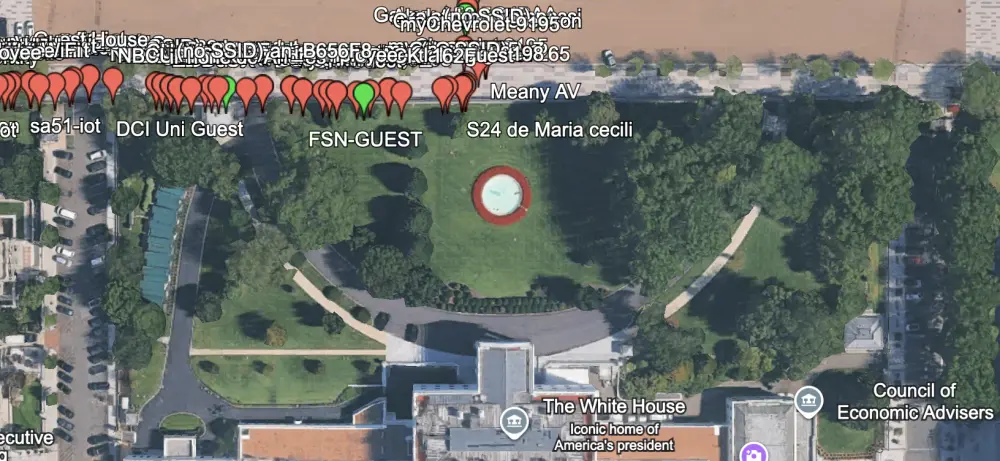
Deauth_ority is a rocket-propelled device designed to run a Wi-Fi deauthentication attack on the network used by the US White House. Although it won't launch, it has both the kinetic and digital means to carry out its intended purpose, serving as a provocation to the state and a demonstration means of resisting fascist regimes.

It's physical whereabouts are hidden, but viewable through a Tor onion service on the so-called "darknet," keeping its location unknowable to network-level surveillance, and further breaching the facade of an omnipotent surveillance state. The rocket may be viewed until early 2026 using the Tor Browser (exclusively) using this address: http://7uczr3b7hssemakpkh23yucygzjhicgkoi7iymo3wzd5j2jlcje3eoad.onion

Code and bill of materials to build your own rocket are available on Codeberg.

white_house_wigle_walk.png


qr_tor-browser.png


qr_deauth_ority.png

About the Artist

By day, David Huerta helps journalists learn how to utilize privacy-enhancing technology to protect a free press. By night, he creates artistic interventions and workshops which explore alternatives to mass surveillance.

https://tenforward.social/@huertanix

Read More

Consider which buildings contain seats of authority in your region; this doesn't necessarily have to mean a ballroom for a head of state. Pick one to visit.


Walk around the perimeter of the building. Observe its fortress-like qualities, perhaps designed for the sense of impermeability and imposition... but probably not designed to protect its Wi-Fi.

NotToday

BitRot

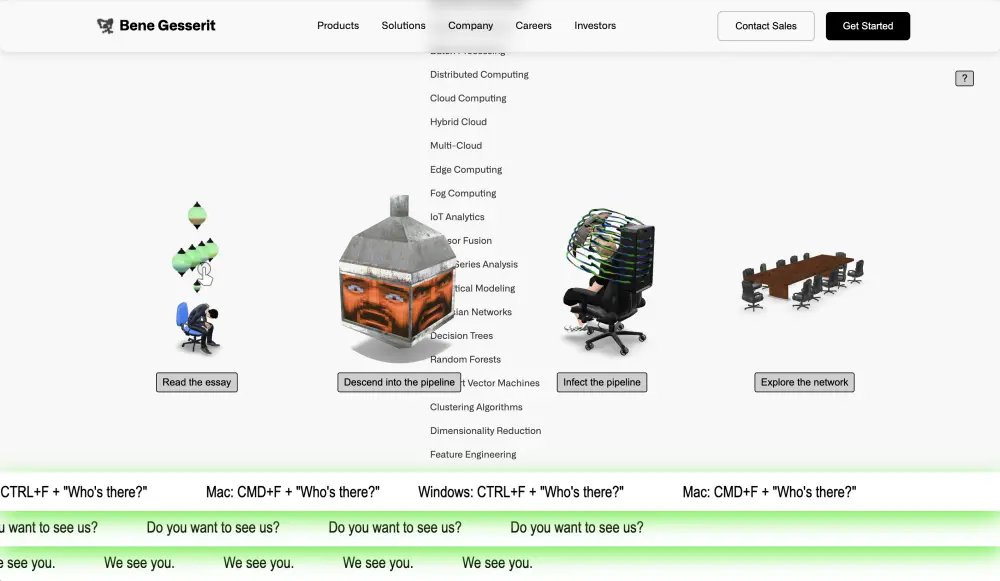
BitRot is a media hacking project designed to make the descent to the far-right pipeline a little bit weird through Trojan tactics both in physical and virtual formats.


1. Go to nottoday.diy/bitrot and type ‘CTRL +F’ (or ‘CMD + F’ if you’re in Mac) and type “Who’s there?”.

There, you’ll access the portal.


2. Are you also worried about the rise of the alt-right/ right-wing/ new-right?

Then proceed. Looking into the future could no longer be an exercise in futility. What’s at stake is that whatever has brought us joy in the present will no longer be available for others in the future. This is a score to experiment with ways to erode that which wants us to imagine no future.


3. To erode the far-right, we need to understand their forces, and what seduces them.

To neutralize it, we must look at what inside it is close to us, because that’s where our range of action exists.


4. What symbols, what messages, seduce them?

Who writes to them, who influences them, in what channels do they talk? Find their Totems. Totems will vary in form, shape, tricks, and language.


5. And what is the package of these symbols and messages? Find the medium that is common to both of you.

Think about your available resources, don’t worry if they seem like they’re not enough. It is all an experiment, it is all play. Until it is not.


6. Do not forget to touch grass.

Face-to-face, IRL interaction informs us of what is at stake - our ability to negotiate our identities, our lives, our ways of being in the world with just a look. IRL should contaminate the internet more.


7. Then, look at the intersection where your chosen medium and your chosen target’s totem match.

Find your allies, your collaborators, and the space where you aim to intervene.


8. Remember that it's all about emotions, and then about ideas.

That's how the far-right operates.


9. Be aware of the risks that you are taking and the necessary countermeasures to diminish those risks.

If unsure, consult the manual, the law, and what you can get away with depending on your context.

Metaphorically, a "Trojan horse" has come to mean any trick or stratagem that causes a target to invite a foe into a securely protected bastion or place. A malicious computer program that tricks users into willingly running it is also called a "Trojan horse" or simply a "Trojan".


10. Put obstacles in their way.


About the Artists

NotToday is an artistic think-tank created by Sara Martinez and Nicolás Henao-Bonnet. Their work involves research of the far-right radicalization infrastructures and deploys experimental media tactics that blend fiction, sabotage, and symbolic distortion to play with ways of disrupting ideological authority online.

https://instagram.com/identikitten 
https://instagram.com/_el_nahual

Read More


Find out what you can get away with

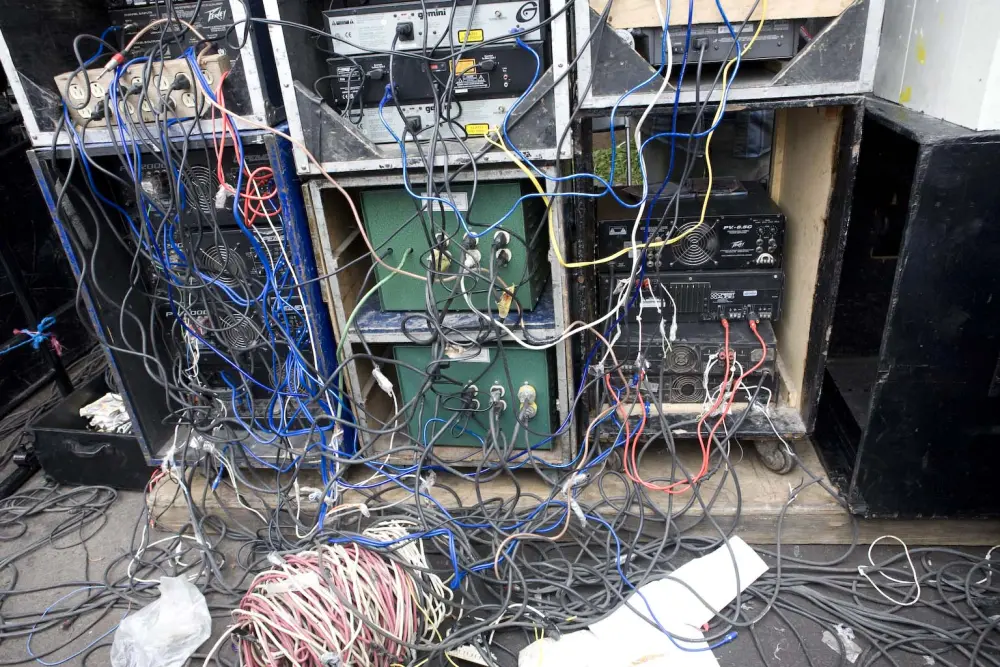
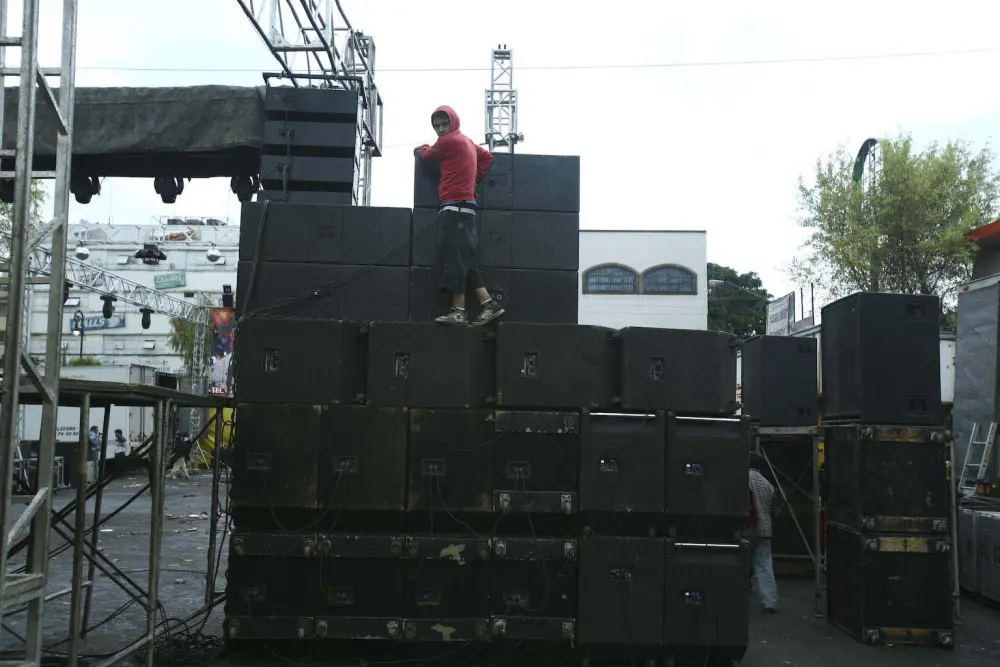
El Proyecto Sonidero

The Real Life Continues

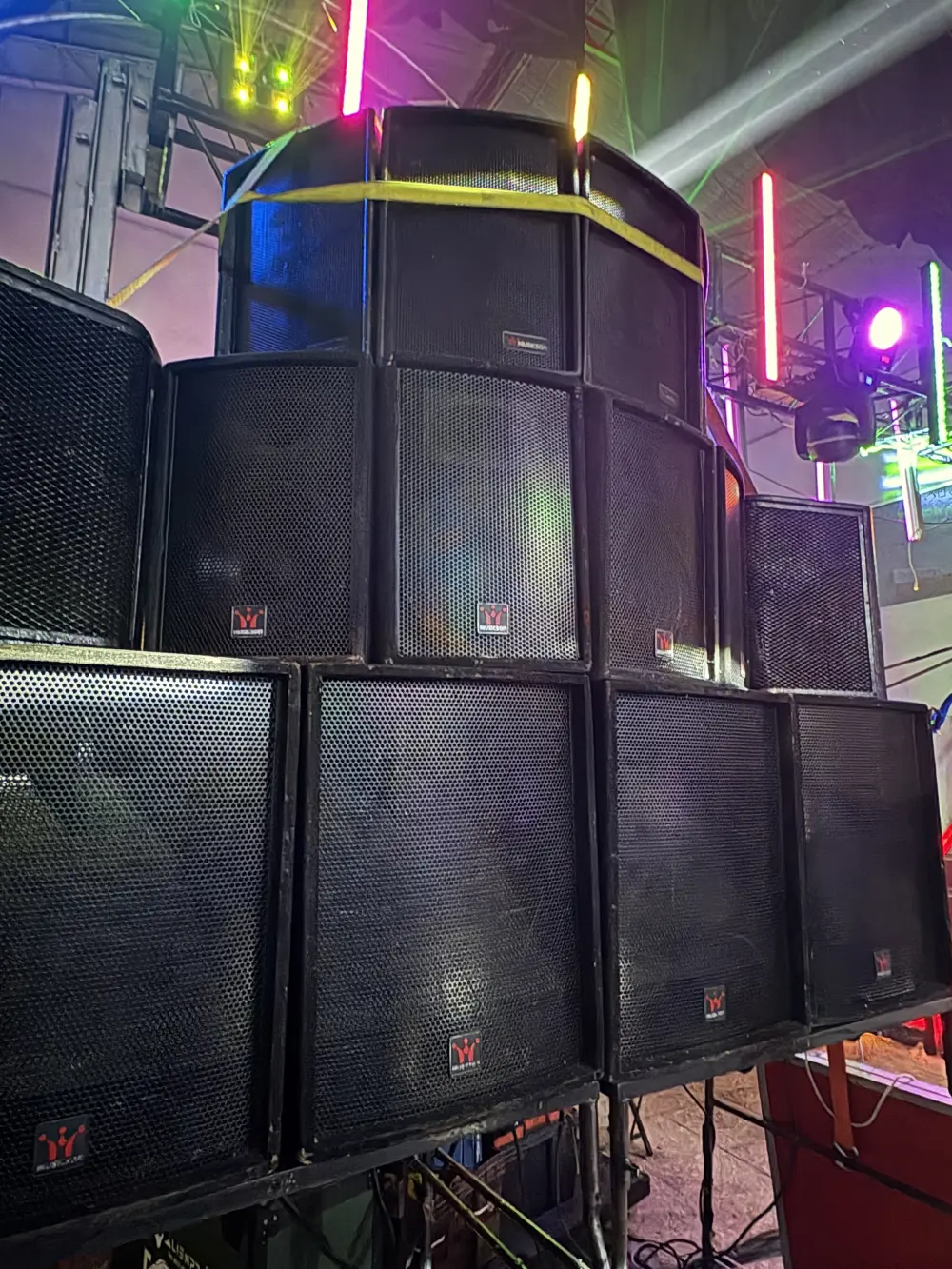
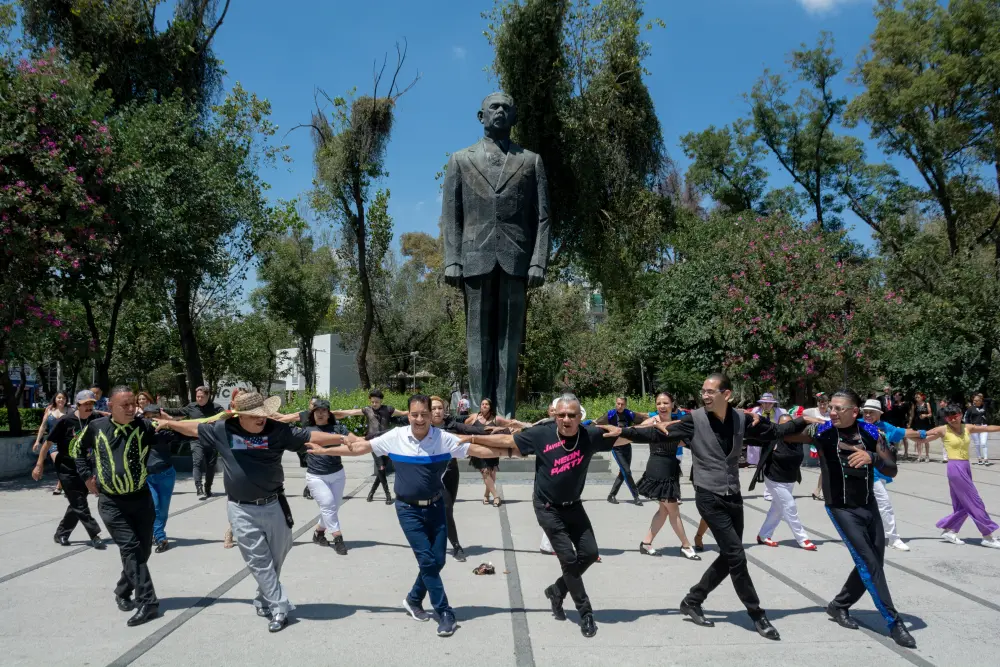
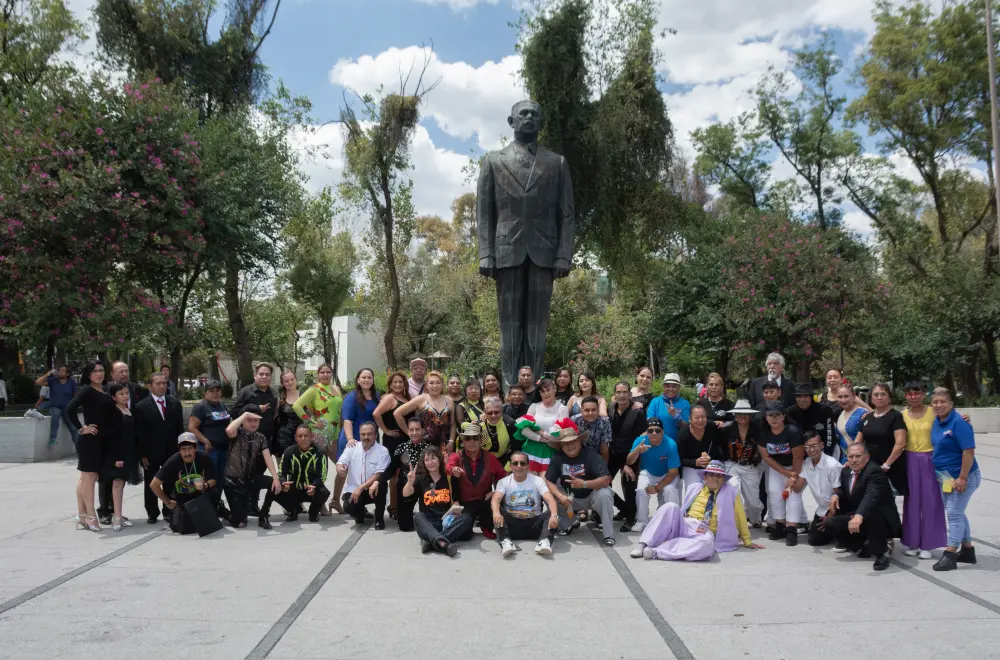
The project calls upon dance clubs from the sonidero world and the entire world to stage and launch this vital, brilliant display of bodies in defense of the real world and good living.

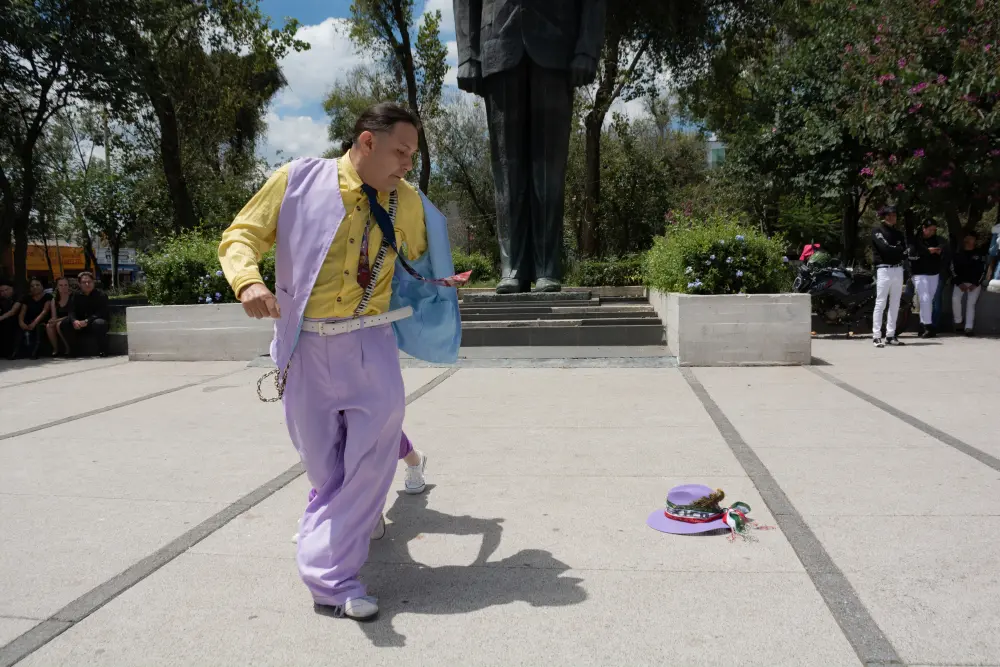
"Pase lo que pase, la vida continúa" is a great son montuno by the group Doble R. It is a tropical rhythm that, in the sonidero scene, is danced en montón, meaning, in collective choreographies.

We want to disseminate these steps, infect the rhythms, and viralize the gestures beyond Mexico, wherever and whenever it is necessary to bring the real world to the forefront to feel and live for real. The project calls upon dance clubs from the sonidero world and the entire world to stage and launch this vital, brilliant display of bodies in defense of the real world and good living.


Organise Your Own Montuno

lvvc_cartel_02_eng.png

DOWNLOAD, PRINT, DISSEMINATE, CONGREGATE, MOVE
WHEREVER WE ARE, LET’S BRING THE REALITY OF JOY FORTH


Through the voluminous and the tangible, it makes a call to place movements in space, materialize the emotion produced by the encounters, and generalize the joy and fierceness of this visceral reality. This is the materialism of the bass and these are the vernacular war machines that will confront technological fascism; its tool is the body, its environment is vibration and its futurism is «ur».

It is time to produce presence and take public space. The method is simple: it is a party, it is pure affect, effecting. In this emotion lies the exuberant emergency that mobilizes understandings, articulates worlds, and translates events.


Documentation


01-01_img_4261_livia_radwanski.jpg
01-02_img_4265_livia_radwanski.jpg
01-03_img_4416_livia-radwanski.jpg
01-04_img_4419_livia_radwanski.jpg

Photos by Livia Radwanski

02-01_5laz._dsc0906_t_cabello.jpg
02-02_6laz_dsc1165_-t_-cabello.jpg
02-03_7laz_dsc0953_t_cabello.jpg
02-04_8laz_dsc1163_t_cabello.jpg
02-05_9laz_i5a3252_l.radwanski.jpg
02-06_10laz_dsc1143_t_cabello.jpg
02-07_11laz._dsc1191_t_cabello.jpg

Photos by T. Cabello and Livia Radwanski

03-01_12_i5a2863_l.radwanski.jpg
03-02_13_dsc1157_t_cabello.jpg
03-03_14_i5a2800_l.radwanski.jpg
03-04_15_i5a3217_l.radwanski.jpg
03-05_16_dsc3405_2022_t_cabello.jpg
03-06_17_dsc1130_t_cabello.jpg

Photos by T. Cabello and Livia Radwanski

04-01_19_dsc1053__t_cabello.jpg
04-02_18_dsc1242_t_cabello.jpg
04-03_21_dsc1047_t_cabello.jpg
04-04_20_dsc1243_t_cabello.jpg
04-05_23_dsc1095_t_cabello.jpg
04-06_24_dsc1245._t_cabello.jpg
04-07_25_dsc0980_t_cabello.jpg
04-08_26_dsc1246_t_cabello.jpg

Photos by T. Cabello

05-01_27_dsc0019-2_2014_t_cabello.jpg
05-02_0528_dsc0044-3_2014__t_cabello.jpg

Photos by T. Cabello

06-01_29_56.jpg
06-02_30-mark_img_2921_1_mark_powell.jpg

Photos by Mark Powell

07-01_32_dsc2366_t_cabello.jpg
07-02_33_dsc2339-copia_t_cabello.jpg
07-03_34_dsc2245-copia_t_cabello.jpg
07-04_31_dsc2294.jpg

Photos by T. Cabello

08-01_37_dsc0098-2_t_cabello.jpg
08-02_39_dsc0787_t_cabello.jpg
08-03_35_i5a3085_l.radwanski.jpg

Photos by T. Cabello and Livia Radwanski

09-01_38_dsc1372_t_cabello.jpg
09-02_36_livia_radwanski_large-1.jpg

Photos by T. Cabello and Livia Radwanski

10-01_40_dsc9919-copia_t_cabello.jpg
10-02_43_dsc4788-copia_2024_t_cabello.jpg

Photos by T. Cabello


Participating Clubs

  • Club Alex y Dulce

  • Club Amigos de Barrio

  • Club Calirumba

  • Club César y sus Pitufos

  • Club del Montón

  • Club Dinastía Caly

  • Club Dúo Dinámicol

  • Club El Venado Mayor

  • Club Estrellas de la Salsa México

  • Club Ilusión Danzonera

  • Club La Pareja Bonita

  • Club Los Magnífico de la Salsa

  • Club Pachuco y su Rumbera

  • Club Pepes

  • Club Ritmo y Estilo

  • Club Santa Julia

  • Club Tercia de Ases


Friend Server

Copiona 

We do not have a page as such. We are leaving memories and milestones here and there and a few pebbles on the net. If you wish to consult more materials, you can review Sonideros en las aceras, véngase la gozadera, a digital book we edited in 2012 with several collaborations. You can also take a look at the archive of the Gráfica Sonidera project.


About the artist

El Proyecto Sonidero is a transdisciplinary collective born in 2008 with the aim of recognizing the power of the sonidero movement as a transnational and transcultural platform for expression, experimentation, mediation, participation, and communication for broad sectors of Mexico and Latin America. This is the territory that our work explores in collaboration with the sonidero community and organizations, at the intersection with the cultural, artistic, academic, and governmental fields.

Together, we produce knowledge and events.

Collaborators

  • Mariana Delgado, anthropologist and cultural manager

  • Tonatiuh Cabello, photographer

  • Livia Radwanski, photographer

  • Librenauta, miscellaneous artist

  • María Fernanda Arnaut, designer

  • Pío Castellanos, sonidero and cultural promoter

  • Javier de la Palma, dancer

  • Eduardo X, dancer

  • Joaquín, dancer

https://instagram.com/el_proyecto_sonidero
https://lavidarealcontinua.mx/

Read More

Come, let’s dance.

It takes:

Courage to be present
Desire to connect with others
To join a group of people
To have a taste for seeing, smelling, touching, feeling, moving
To relish each other
To coordinate
To celebrate the start, the  group, the cause
To do a son montuno together
To enjoy and to return

In parties, in parks, in streets, in marches.
Day by day

Insist
Insist
Insist

And live by it, truly, no matter what.

permacomputing.net

Brewing Collectives

a step-by-step guide to organise a local permacomputing community

Permacomputing is a concept focused on the injustices, harm and climate impact of the ICT industry. Our score is a fermentation-inspired circular guide to inspire people to start their own permacomputing community of practice. We have interviewed existing collectives and communities in our network to compile  suggestions, activities and organisational ideas that can help create momentum. Think Repair Cafés meet allotment gardening meet CryptoParties meet group therapies meet community library meet hackspaces.

If you are wishing for this kind of activity in your region or online, why not read this guide and get started. And get in touch with the wider global permacomputing community for support. Techno-fascists can f\\k off, a better digital world is brewing!


About the Artists

Permacomputing is both a concept and a community of practice focused on the injustices, harm and climate impact of computation. We develop design principles and facilitate IRL and online exchanges to problematise the techno-optimist, techno-solutionist and techno-fascist mess we're in and how to organise a collective response.
Permacomputing is an international collective spread across North-America, Europe and Tasmania, with several satellite groups and communities beyond.

https://permacomputing.net

Read More

How to Start a Permacomputing Collective

Brew the Base

Find your main ingredients, intentions, and inspiring places.

Add the Starter

Gather people, build rhythm, and set gentle infrastructure.

Let It Ferment

Give it time. Let it self-organise. Care for contradictions. Encourage others to get involved in organisation and content.

Pour and Share

Connect outward, share knowledge, renew the brew.

Enkaryon Ang

Glitch Floods: Partisan Ballads

故障洪流:游擊民謠

Glitch Floods: Partisan Ballads is an interactive experimental platform that mobilizes Taiwanese Hokkien’s eight-tone system as a strategy of resistance against AI surveillance and linguistic standardization. As a tonal language, Taiwanese Hokkien encodes meaning through pitch variation; words change meaning depending on tone. While tonal systems vary across languages, Taiwanese Hokkien is among the most complex, using up to seven or eight distinct tones.

The project responds critically to Meta’s 2022 Taiwanese translation system, which does not translate Taiwanese Hokkien directly into other languages. Instead, it routes Taiwanese through Mandarin Chinese as an intermediary, structurally positioning Taiwanese as a subordinate variant rather than an autonomous language. This process flattens tonal complexity, idiomatic expression, and cultural nuance, reproducing historical power dynamics from Taiwan’s authoritarian period, when Mandarin was imposed as the official language and local languages were systematically suppressed. What was once state-enforced linguistic control is now re-enacted algorithmically.

Against this backdrop, the project reimagines Flood Songs (洪水歌)—coded oral folk ballads circulated during Taiwan’s authoritarian era—as a contemporary mode of algorithmic resistance. On the surface, Flood Songs appeared to describe natural disasters, but they covertly encoded political dissent, warnings, and collective memory to evade censorship. Unlike regulated written verse, which relies on only two tone categories (level and oblique), Flood Songs depended on the flexible manipulation of Taiwanese Hokkien’s full tonal range, allowing singers to embed layered meanings intelligible only to those sharing cultural and linguistic knowledge.

The website invites users to manipulate tones in real time, simulating climate-induced language change and tonal erosion. Through this interaction, users generate “glitched” speech that remains comprehensible to human listeners yet becomes unparseable to AI speech recognition systems. This deliberate mismatch exposes the limits of machine listening and proposes tonal instability as a form of digital resistance.

Resistance never disappears—it only continuously transforms:
Under authoritarian surveillance: encoded folk songs
Under algorithmic surveillance: glitched tones


Website User Guide

網站使用指南


What is this website?

這個網站是什麼?


This is an interactive experimental platform exploring how climate change affects tonal languages, specifically Taiwanese Hokkien. The website demonstrates how reducing tones can create a "glitch" language that humans can still understand but AI voice recognition systems cannot parse—a form of digital resistance against algorithmic surveillance.

這是一個互動實驗平台,探索氣候變遷如何影響聲調語言 特別是台語(台灣閩南語)。網站展示如何透過減少音調來創造一種「故障」語言——人類仍 能理解,但 AI 語音辨識系統無法解析——這是對抗演算法監控的一種數位抵抗形式。


Core Concept

核心概念


The Scientific Foundation:
Research shows that tonal languages develop more ambiguous tonal boundaries in humid climates. This website imagines a speculative future: as Taiwan becomes drier due to climate change, what if Taiwanese Hokkien loses its tones?

科學基礎: 研究顯示,聲調語言在潮濕氣候中會發展出更模糊的音調邊界。本網站想像一個科幻的未來: 隨著氣候變遷使台灣變得更乾燥,如果台語失去音調會如何?

The Resistance Strategy:
By deliberately reducing tones, we create "glitched" speech that:
- Maintains meaning through poetic structure (七字調 / 7-character meter)
- Remains comprehensible to Taiwanese Hokkien speakers
- Becomes systematically unintelligible to AI voice models

抵抗策略: 透過刻意減少音調,我們創造「故障」語音:

- 透過詩歌結構(七字調)維持意義
- 台語使用者仍能理解
- 對 AI 語音模型而言系統性地無法辨識


How to Use the Website

如何使用網站


Step 1: Choose Your Input

步驟一:選擇輸入方式


You have two options:

Option A: Input Your Own Text
- Enter Taiwanese Romanization (Tailo system) in the text box
- Example: "Hái-chúi tióng-kòe chhân-hōan-thâu"

Option B: Select Pre-written Flood Songs
- Choose from three example texts provided on the website
- These are contemporary Flood Songs (洪水歌) about climate and surveillance
- English translations are provided for context

選項 A: 輸入您自己的文字
- 在文字框中輸入台語羅馬拼音(台羅系統)
- 例如:"Hái-chúi tióng-kòe chhân-hōan-thâu"

選項 B: 選擇預先寫好的洪水歌
- 從網站提供的三個範例文本中選擇
- 這些是關於氣候與監控的當代洪水歌
- 附有英文翻譯供參考


Step 2: Adjust the Tone Reduction

步驟二:調整音調縮減


The 8-Tone System: Taiwanese Hokkien traditionally has 8 tones. On this website, you can simulate climate-induced tone reduction:

8 音系統:
台語傳統上有 8 個聲調。在本網站上,您可以模擬氣候引發的音調縮減:

How it works:
- The interface displays 8 tone options
- You can delete/reduce tones to simulate increasing dryness
- More dryness = fewer tones = more "glitch"
- The system generates a new "meaning packet" based on your selection

操作方式:
- 介面顯示 8 個音調選項
- 您可以刪除/減少音調來模擬乾燥度增加
- 越乾燥 = 音調越少 = 越「故障」
- 系統根據您的選擇生成新的「意義封包」

Climate Scenarios (Examples):
8 tones = Current humid Taiwan
6 tones = Moderate climate change
4 tones = Severe drying
2 tones = Extreme speculative scenario

目前潮濕的台灣
中度氣候變遷
嚴重乾燥
極端科幻情境


Step 3: Generate and Listen

步驟三:生成與聆聽


After selecting your tones:
1. Click the generate/synthesize button
2. The system will produce speech audio with reduced tones
3. Listen to how the "glitched" language sounds

選擇音調後:
1. 點擊生成/合成按鈕
2. 系統將產生音調縮減的語音音檔
3. 聆聽「故障」語言的聲音效果

What you'll hear:
- Speech that sounds "off" or "wrong" to AI systems
- But if you understand Taiwanese Hokkien poetic conventions (七字調), the meaning remains accessible
- This is "cultural consensus encryption"—only users of the language can decode it

您會聽到:
- 對 AI 系統而言聽起來「不對」或「錯誤」的語音
- 但如果您理解台語詩歌慣例(七字調),意義仍然可理解
- 這就是「文化共識加密」——只有語言使用者能解碼


Step 4: Understand the Resistance

步驟四:理解抵抗


Why does this work?

For Humans:
- Taiwanese Hokkien speakers use context and poetic structure (七字調 meter)
- The 7-character rhythm provides semantic scaffolding
- Meaning is preserved through cultural memory and conventions

For AI:
- Voice recognition systems rely on standard tone patterns
- Reduced tones create "systematic failure"
- The AI cannot correctly process these "non-standard" features
- Result: The message becomes unparseable to machines

為什麼這有效?

對人類:
- 台語使用者運用情境和詩歌結構(七字調韻律)
- 七字韻律提供語意框架
- 意義透過文化記憶與慣例保存

對 AI:
- 語音辨識系統依賴標準音調模式
- 音調縮減創造「系統性故障」
- AI 無法正確處理這些「非標準」特徵
- 結果:訊息對機器而言無法解析


Key Features

主要特色


Interactive Tone Manipulation
You control the climate scenario by choosing how many tones to preserve or eliminate.

互動式音調操控
您透過選擇保留或刪除多少音調來控制氣候情境。

Contemporary Flood Songs
The pre-written texts are modern adaptations of the historical 洪水歌 (Flood Song) tradition—coded resistance songs from Taiwan's authoritarian period, now reimagined for the age of algorithmic surveillance.

當代洪水歌
預先寫好的文本是歷史上洪水歌傳統的現代改編——來自台灣威權時期的編碼抵抗歌曲,現 在為演算法監控時代重新想像。

Cultural Consensus Encryption
This is not a one-to-one cipher. The "encryption" works through shared cultural knowledge—only those familiar with Taiwanese poetic conventions can decode the meaning.

文化共識加密
這不是一對一的密碼系統。「加密」透過共享的文化知識運作——只有熟悉台語詩歌慣例的人 能解碼意義。

Climate-Language Connection
The website makes visible the scientific link between climate (humidity) and language (tonal complexity), while turning it into a tool for resistance.

氣候-語言連結 網站將氣候(濕度)與語言(音調複雜度)之間的科學連結視覺化,同時將其轉化為抵抗工具。


What You Can Do

您可以做什麼


Experiment with different tone reduction levels to hear how "glitched" the language becomes

Compare the same text with different tone settings to understand how AI might fail at different stages

Create your own Flood Songs using the 七字調 structure and test them

Share your findings about which tone reductions best balance human comprehensibility with AI resistance

實驗不同的音調縮減程度 來聆聽語言如何變得「故障」

比較相同文本在不同音調設定下的效果 來理解 AI 在不同階段如何失效

創作您自己的洪水歌使用七字調結構並測試

分享您的發現關於哪種音調縮減最能平衡人類可理解性與 AI 抵抗性


Technical Note

技術說明


The website uses Taiwanese speech synthesis technology combined with tone manipulation algorithms. The system demonstrates how small changes in phonetic features can create large differences in machine interpretability while preserving human understanding—a principle applicable to many endangered and minority languages under threat from AI standardization.

本網站使用台語語音合成技術結合音調操控演算法。系統展示語音特徵的微小變化如何在保 持人類理解的同時,對機器可解讀性產生巨大差異——這個原理適用於許多受 AI 標準化威脅

的瀕危與少數語言。


For More Context

更多背景資訊


To understand the full conceptual framework, please refer to:
- The project documentation (故障洪流_網頁文獻)
- The Score (5-step instructions for resistance)

要理解完整的概念框架,請參考:
- 專案文獻記錄(故障洪流_網頁文獻)
- 樂譜(5 個步驟的抵抗指令)


Remember: This is not just a technical demonstration—it's an act of resistance against linguistic colonialism and a celebration of the irreducibility of human cultural experience.

請記住:這不只是技術展示——這是對抗語言殖民主義的抵抗行動,也是對人類文化經驗不 可化約性的頌揚。


About the Artist

Enkaryon Ang is a Taipei-based poet and interdisciplinary artist whose practice weaponizes linguistic authenticity against algorithmic extraction. His current project, "Glitch Floods," exploits AI synthesis failures by encoding Taiwan's traditional flood narratives into climate-altered speech patterns that resist technological harvesting.Author of Rorschach Inkblot and A Galaxy of Howness, former UNESCO Prague City of Literature resident and AICA critic, Ang's research spans Sinitic writing systems, Southeast Asian scripts, and colonial legacies—examined through ecological and geopolitical lenses.

Read More

How to Use the Platform


Don't teach AI your language – find the sonic landscapes algorithms cannot recognize. Features marked as "noise" are precisely your weapons.


1. Generate 7-character verse

[Non-Taiwanese speakers] Use AI poetry generator with English keywords:
- Jiuge: https://jiuge.thunlp.org/
- Toolfk: https://www.toolfk.com/tools/online-poem.html
Select 7-character regulated verse.

2. Convert to Taiwanese romanization

Copy generated verse to converter:
- Taiwanese Romanization: https://lomaji.ithuan.tw/
- Lohankha (select "Classical Chinese with Taiwanese"): https://translate.lohankha.tw/en/
Get Tailo romanization with tone markers.

3. Input to Glitch Floods website

Go to: https://taiwanese-language-service-rbc564slvq-de.a.run.app/
- Paste Tailo romanization into text box
- OR select pre-written Flood Song examples

4. Manipulate tone system

Delete/reduce tones to simulate climate scenarios:
- 8 tones = Current humid Taiwan
- 6 tones = Moderate drying
- 4 tones = Severe drying
- 2 tones = Extreme scenario

5. Test resistance

Try same text with different tone settings.
Result: Humans understand through 7-character meter structure. AI fails.
Why it works: Taiwanese 8 tones > Mandarin 4 tones = more glitch space.

You have gained the ability to transmit meanings that AI cannot understand.

Signals Rising

Meshtastic


node-over-nyc.jpeg

We have adopted and are actively supporting the deployment Meshtastic, a community-led and open-source mesh-networking project which ideally suits the needs of these communities. Meshtastic works over LoRA, a long-range digital radio technology that operates in the ISM (Industrial, Scientific and Medical) bands which are license-free across most of the world, similarly to WiFi and Bluetooth but with much longer range,

Meshtastic builds on LoRA and automatically creates networks where every device is a node that can automatically relay messages to one another. Users of these networks gain the ability to communicate with crisis-resilient technology that doesn't rely on a central transmitter. It is ideal for sharing text messages and GPS locations over a wide area, even in areas with no cell service or Wi-Fi.

Signals Rising designs and builds ultra low cost Meshtastic nodes in bulk and distributes them, along with training material, online and in-person education, and supporting hardware to groups and individuals who otherwise may not be able to access them. We've deployed nodes throughout major urban areas, reservations and indigenous communities, areas of wilderness, and areas at high risk of natural disasters, such as the Gulf Coast.


Urgent Need


Since Trump took office in January 2025, our organization has received an overwhelming amount of requests for mutual aid in the form of radio equipment and training. Many of these requests have come from communities and individuals actively under attack by the new administration, seeking training to protect themselves and their communities.

At the same time the climate crisis and its effects are worsening by the day. After the 2024 Atlantic hurricane season we were inundated with requests for support, but we also saw how important amateur radio operators and systems were in rescue and salvage in the immediate aftermath of disasters.

In an emergency, our modern communication systems are often the first to fail. Cell towers and internet infrastructure rely on a constant supply of electricity and a complex, interconnected network that is highly vulnerable to disruption. Even the most modern satellite-based internet systems still rely on functioning ground-based gateways and have shown themselves vulnerable to being overwhelmed when traditional networks go down.

Even when working perfectly, all these systems are heavily controlled by, surveilled and subject to bulk collection by the state and increasingly privacy-hostile corporations.


Our Work

Since we founded Signals Rising, we've focussed on providing introductory radio usage courses both online and in person, as well as supplying amateur radio hardware to individuals who would otherwise be unable to afford it.

previous-training.jpeg

We also offer design services as an act of mutual aid collectives who cannot afford to hire experts or purchase hardware. In 2024, we spent over 50% of our total budget on direct mutual aid and educational programming in effort to mitigate the financial barrier to entry for radio communication, which is often relatively high. Since the beginning of 2025, Signals Rising has seen a 500% increase in training requests and 1300% increase in mutual aid requests for radio equipment. We expect this upward trend to continue into the foreseable future.


Mesh Networks

Mesh networks are a game-changing technology: devices in a mesh network function as individual nodes that automatically relay information to one another. If one node goes down, the message finds another path. This creates a spontaneous, self-healing, and decentralized network that doesn't rely on a central transmitter. It is ideal for sharing text messages and GPS locations over a wide area, even in areas with no cell service or Wi-Fi.

Meshtastic is an open source project that allows very low power, low performance and —crucially— low cost devices to form such networks in licence-free parts of the radio spectrum, known as the ISM bands (industrial, scientific, medical).

meshtastic-schema.png

Meshtastic supports strong encryption, something generally not permitted in traditional amateur radio transmissions but legal in ISM bands. And while the legal transmission power limits the range of any single device to a few.


Expectation Failed

Error 417 Expectation Failed 's generous Error406 grant allowed us to accomplish two things:


1.

Bulk order 100 custom meshtastic nodes from a PCB supplier and bulk buy components to create complete nodes from them at prices far below retail prices of off-the-shelf nodes, allowing us to get more equipment in to the hands of more people.

6-fully-assembled-bulk-nodes.jpeg

2.

Distribute these nodes, provide training and in doing so create a demonstration to funderaising organizations in the US of the system's utility. This has enabled us to secure several significant additional grants that will allow us to make larger bulk-buys, pay volunteers a fair wage, and roll out a resilient, distributed and democratic communication system to hundreds of thousands of people.

node-over-nyc.jpeg

About the Artists

Signals Rising is a primarily US-based NGO founded to offer free radio hardware and training to marginalized groups and in-particular communities preparing for, or responding to, crises or disasters. Our training participants have included Black and Brown social justice activists in urban settings, Indigenous land defenders in rural areas, and queer femmes leading mutual aid projects along the coast.

Both professional and amateur radio communities generally cater to an older, white, male crowd who often create barriers to accessing and practicing skills. We prioritize getting the power of communication back into the hands of QT2SBIPOC community members mobilizing on the ground. By fostering a culture of preparedness and mutual aid we can collectively be resilient to climate disasters and other human-made threats.

https://signalsrising.org

Read More

How to Kick-Start a Mesh Network

1. Collaborate with open-source hardware developers

(in this case: [NomDeTom])

PCB design

2. Manufacture in bulk

Taking advantage of volume-discounts and negotiating with suppliers.

PCB Boards

3. Reclaim hundreds of batteries from discarded disposable vapes

(It helps to have amassed a collection from your neighborhood already...)

Collection of discarded vapes

5. Assemble all the parts into a node...

...and repeat 100 times.

Assembling mesh devices
Assembled mesh devices

4. Test thoroughly at the hackspace

With a little help from your friends

Testing mesh devices

6. Install across a city

Preferably in summer

Installing a mesh network in NYC

7. Run workshops online and in person

To get people communicating over your new decentralized, resilient and democratic network.

Mesh network workshop

8. (Optional) paint a watercolor of your very own wireless mesh node

...and send it to us to add to our collection

Watercolor painting of a mesh node

Rojava Center
for Democratic
Technologies

Mij (The Fog)

mij4.jpg

Mij (The Fog) is a mobile defense system against Semi Active Laser (SAL) missiles, such as the Turkish made MAM-C, developed for use on moving vehicles. Drawing from the principles of the Rojava Revolution, it combines commonly accessible technology with myth and folklore.


The Sumerian myth of Anzû describes how the evil bird Anzû stole the tablet of destinies from the gods and thus gained power over the world. Ninurta, the god of thunder and fog, subsequently defeated Anzû by approaching through the mist and taunting the bird until it was exhausted.

Five thousand years later, Anzû has reappeared in the form of the Turkish Bayraktar drone. Firing laser guided rockets, it seeks to destroy the Rojava Revolution and break people's strive to control their own destiny through democratic confederalism.

But now Ninurta rises as well. Combining open source technical knowledge, basic technology and mythical imagination, the Rojava Center for Democratic Technologies presents Mij (The Fog), a mobile defense system that detects incoming MAM-C missiles and disrupts its targeting system by releasing Ninurta's fog.


Technical description

Mij (The Fog) is a mobile defense system against Semi Active Laser (SAL) missiles, such as the Turkish made MAM-C, developed for use on moving vehicles. Drawing from the principles of the Rojava Revolution, it combines commonly accessible technology with myth and folklore. A sculpture has been made to complement the so-called Tell Asmar hoard, a collection of Mesopotamiam votive statues from 3000-2500 BCE. A 3D printed version of this new worshipper of the Sumerian god of thunder and mist, Ninurta, has been equipped with a SAL missile detection system based on open-source defense research: the statue’s eyes detect infrared laser signals emitted by missiles, while a device in its interior can generate fog that is released through its mouth. When a missile is launched by a drone overhead, its laser signal is detected and smoke is released to confuse its targeting system.

The demonstration video that forms part of the project combines promotional footage of the MAM-C missile, documentation of the construction and testing of the system and an original Kurdish song about the myth of the evil bird Anzû and its defeat by the cunning and persistent god Ninurta.

statue.jpg
car-statue.jpg

mij1.jpg
mij2.jpg
mij3.jpg

About the artists

The Rojava Center for Democratic Technologies is formed by a fluid group of artists and engineers working in the Autonomous Administration of North and East Syria (AANES). It was initiated by artist and cultural critic Dani Ploeger in 2022. Combining art and engineering, the center investigates and develops visions and practices for a postcolonial technological culture that builds on the principles of democratic confederalism, a form of libertarian socialism that constitutes the backbone of the Rojava Revolution. It is based on decentralized, stateless governance, gender equality, cooperative labour and ecology. To date, artistic research projects have been conducted into post-digital propaganda in public space, decolonial domestic technology and myth-based defense systems. In addition, a reader with key texts has been published in Kurmanji, Arabic and English. Revolution Refridge – a prototype of a Kurdo-futuristic refrigerator for a decentralized technoculture – received a Nomination for the STARTS Prize 2024, the grand prize of the European Commission for science, technology and art.

Read More

How to Defend with Mythical Technology


Identify a high-tech threat.


Consult mythological knowledge.


Integrate open-source defense research.


Build a low-tech weapon of mythical power.


Exhaust capital-intensive technofascism.

Gabe Nascimento

Nunca Mais (Antifa Recipes)

error_4.jpg

Nunca mais: antifa recipes is a collaborative, dialogue-oriented work that reflects on Brazilian history and proposes strategies to counter today's techno-fasicst and anti democratic movements. During the military dictatorship (1964 - 1985) — which persecuted and murdered political opponents, as well as the poor, blacks, indigenous people, LGBTQIA+ and other minorities — censorship was made explicit by exchanging censored news items in papers with recipes.

The histories of Brazilians and Brazil directly influence the way techno-fascism affects us today: the destruction of democracy and collectivities, combined with the hyper-individualization of experiences, are accompanied by the exploitation of our natural resources. In Brazil, algorithms put our society and lives at risk and meet the dormant power of the military, which was never punished for its crimes from 1964 to 1988.

The aim of the project was to mediate a discussion with the local population, in my neighborhood, among neighbors, at college, at friends' workplaces, based on Brazilian history. These discussions led to the creation of a series of recipes that represent collective strategies to confront and sabotage the hegemonic power of big tech and the political power of the military. Each recipe was built from shared suggestions, conversations, and interventions. Some require large infrastructure, others are homemade and easily replicable. Thus, the aim is to sow imaginaries that have change — based on diversity and polyphony — as their goal.


Introduction

Observing our realities and the problems that could cost us our lives is painful. It is not uncommon for us to be unable to imagine improvements and, on the contrary, we are more pessimistic or, at least, do not expect change. The absence of change on a planet affected by social, political, economic, and climate problems means the extinction of people, ethnic and racial groups, countries, and perhaps all of humanity.

This temporal understanding that sees no change on the horizon has a name: presentism. Presentism is characterized by the extension of the present, in which there is no prospect of revolutions and transformations, in which the past and especially the future are unaltered reflections of the present, almost as an unavoidable consequence. The truth, however, is that there are other perspectives from which to view the past, present, and future.

This work was born as an invitation to think about alternatives, futures, and strategies. Over the past few months, I have talked to many people through installations, workshops, and meetings, and together we have sought possible and reproducible solutions to transform our reality in the face of technofascism. Our encounters originate in Brazil and our perspectives of struggle in the Global South, which are inseparable from sovereignty over our lives, bodies, and territories, which must also show the pluralities that exist in our different ways of life.


Extraction

To reflect on technofascism in Brazil, we must first go back in time and reflect on some aspects of Brazilian history and, consequently, on the specificities of Brazilian fascism. Brazil is a colonial word derived from archaic Portuguese meaning ember, referring to the red color of fire and a species of tree with a red trunk, called pau-brasil in Portuguese and ibirapitanga in Tupi.

Pau-brasil was the first commodity to be exploited in this territory. Since then, many natural resources have been (and still are) extracted from our lands and taken abroad for vexatious prices. Today, part of the Brazilian economy is based on the extraction and export of soybeans, minerals, and oil. This situation of subordination in geopolitical and economic dynamics, coupled with the environmental and human impact of maintaining these commodities, has historical roots and impacts the faces of technofascism in this part of the world.

The subordination to countries in the Global North, especially the US and other countries aligned with the far right, associated with the history described above, places Brazil as a potential territory for extraction in line with the plans of big tech companies. This strategy is nothing new to fascist movements. Nazism, in its economic and military development plan, chose regions such as Croatia to extract its mineral reserves. A similar operation is taking place in Latin America, where our water, energy, and mineral resources have been coveted in order to accelerate an energy transition project in the Global North, in addition to a project for processing data and generating texts, audio, images, and videos that will deepen the democratic and anti-fascist challenges of the present time. The human and environmental cost will be ours to bear: drought, hunger, genocide, and ecocide exacerbated by the empowerment of tools and algorithms that privilege far-right discourse.


error_10.jpg

Dictatorship and the Military

Faced with the rise of neo-fascism, armed with digital weapons, it is impossible to think of solutions and alternatives on our own. That is why the dialogue proposed here is based on recipes, which will serve as instructions or tutorials for activities to mobilize our minds and practices. The choice to convey these ideas through recipes was made based on reflections on the last Brazilian dictatorship.

 On April 1, 1964, Brazil suffered a military coup that established a dictatorship that lasted for two decades, ending in 1985 and consolidating democratic openness only in 1988. The new regime was established through the articulation of national and international forces, as part of a broader context of US interventions in Latin America, and had a major social, economic, and humanitarian impact, leaving hundreds dead and missing as a direct result of political persecution.

In this work, I revisit the military dictatorship for two important reasons. The first is that, as in the present moment, external interests are imposing themselves on Brazil in an attempt to undermine our (fragile) sovereignty and democracy. The second is that the Brazilian military forces have often sought armed intervention and the imposition of new regimes over the civilian population. Brazilian republican history began with a military coup in 1889, and since then there have been 15 attempts, some successful, to seize power. The most recent occurred in 2023, as part of a long process of destabilization of national institutions, driven by social media (and with the support of the big tech companies). Regarding the attempted coup in 2023, it is important to emphasize that the military forces proved to be an important arm of neo-fascism in Brazil, being present in the planning and coordination phases of recent anti-democratic processes.


Antifa Receipes

The recipes emerge here as historical and aesthetic references to the last dictatorship. This period was marked by strong censorship, repression, and persecution of press, political, social, and cultural freedoms. All forms of communication, from theatre to the newspaper, were read, selected, and censored by the regime. As result, recipes appeared in newspapers in place of news that was prevented from being published. Imagine picking up a newspaper (or, in recent times, opening a news portal) and finding recipes instead of the daily news. In the absence of reporting mechanisms, this was a way of expressing that normality was not in vogue. I therefore use the format of recipes to affirm the connection between the challenges of the present and the wounds of the past. The motto “Nunca mais” also recalls the military dictatorship as a shout that this must never be repeated. 


Forming Bonds

We, living in the contemporary world, feel deeply that digital technologies have taken over a space that was once one of coexistence. Algorithms, contrary to the advertising discourse of the companies that program them, increase loneliness and isolation. We believe, however, that communities, in their many forms, are extremely necessary for the reversal of the current social model. However, although we understand the need to talk, to reflect on the world together, to form bonds, it is not always simple. This process is often costly, fraught with fears, anxieties, and nervousness.

How can we propose collective solutions? How can we talk to the people around us? How can we break out of our isolation? How can we overcome individual and collective fears of contact with other people?

These questions govern the recipes, which are suggestions for ways to connect with the people around us: our neighbors, family, friends, coworkers, college classmates, institutions, companies, schools, and community centers in our neighborhoods... The recipes offer ideas, generally broad ones, on how to present a problem to other people and open up fruitful spaces for the construction of new ideas.


error_6w.png

About the Artist

gabe nascimento is a non-binary historian. He hold a degree in History from the Federal University of São Paulo and is currently a master's student at the Federal University of Minas Gerais. In both his historical research and artistic practice, gabe investigates technologies, particularly computers and digital practices, in their social, cultural, and political dimensions. He challenges tech mythologies that claim universality but in reality apply only to a small group of people, especially when imposed on the outskirts.

Read More

How to foster local networks


Ingredients

  • Time as you wish

  • A home-cooked meal of your choice

  • Neighbours


Directions

1. Prepare a tasty snack.


2. Invite your neighbours to share this meal.


3. Offer your time, listen, and get to know those around you. Talk about your life and the world.


4. Repeat the previous steps as often as necessary.


Note: Connecting with those around us is not instantaneous or quick. It is a slow process that requires attention, listening, and patience.

868labs

868wearables

868labs_main.jpg

868wearables is a project dedicated to developing custom, open-source communication hardware for decentralized, peer-to-peer networks. At its core is a PCB designed and built by the collective, enabling LoRa-based mesh networking over the unlicensed 868 MHz band. These wearable devices enable encrypted, off-grid communication — without relying on the internet, mobile networks, or centralized infrastructure.

As such, 868wearables is a tactical response to rising censorship, surveillance, and infrastructure shutdowns across authoritarian regimes and protest zones. As both tool and statement, it supports community resilience, autonomous organizing, and resistance through artistic intervention and DIY technological sovereignty.


868wearables is a series of tactical off-grid communication devices developed by the 868labs collective in response to rising digital censorship, surveillance, and infrastructure shutdowns. Built on custom-designed LoRa-based hardware operating over the unlicensed 868 MHz band, these wearable devices enable peer-to-peer mesh networking without reliance on the internet, mobile networks, or satellites.

868wearables offers a low-power, long-range alternative to centralized infrastructures. It functions both as a tool for crisis response—in contexts of wars, protests, climate catastrophes, and network blackouts—and as a daily rehearsal of autonomy for artistic and activist communities.

More than a technological solution, the project is a form of counter-technology: it combines electronic prototyping, open-source design, and tactical aesthetics to subvert surveillance capitalism and reimagine how we connect. 868Wearables is both a functional device for resistance and solidarity, and an open invitation to build autonomous networks on your own terms.


Renderings of 868wearables

About the Artists

868labs is a Berlin-based collective developing tactical tools for decentralized, off-grid communication. Initiated by new media artists Helena Nikonole, Katerina Kataeva, and collaborators remaining anonymous, the group’s first prototype – 868Wearables – is a peer-to-peer, open-source communication device enabling encrypted, long-range messaging over the 868 MHz radio band. Designed to be assembled, adapted, and shared, their work challenges commercial infrastructures and invites users to build their own resilient alternatives.

https://868labs.net

Read More

1. Hack / misuse / subvert / sabotage the infrastructures of digital control — from corporate platforms to state-run networks.


2. Build your own: DIY, open-source, decentralized systems of communication and mutual aid.


3. Make off-grid communication your first choice, not your last resort.

Responsible for this website

Stiftung 417 Expectation Failed
Zweierstrasse 50
8004 Zürich
Switzerland
error417@expectation.fail


Exhibition project by Error 417 Expectation Failed
Website concept & design by David Liebermann


Liability

The contents of this website are created with care, but no guarantee is given for accuracy, completeness, or timeliness. Liability claims arising from the use of this website are excluded to the extent permitted by Swiss law.


External Links

This website may contain links to external websites. The operator has no control over their content and assumes no liability for them.


Copyright

All copyrights of the content on this website is owned by the artists. Reproduction or use without permission is prohibited unless otherwise stated.


Data Protection

This website does not collect data or use cookies. However, there are videos embedded via Vimeo. When accessing pages with embedded videos, data may be transmitted to Vimeo (Vimeo Inc., USA). Please refer to Vimeo’s privacy policy for details.
Linked artist project websites may collect data.